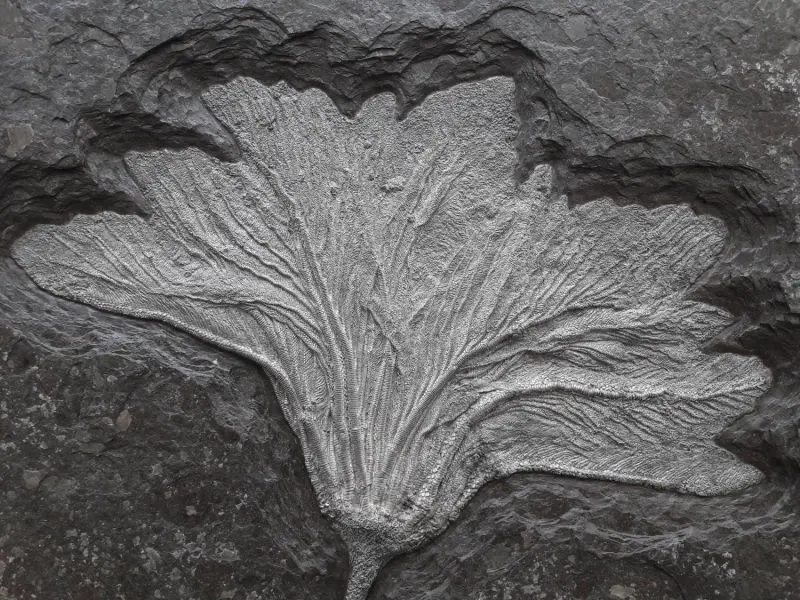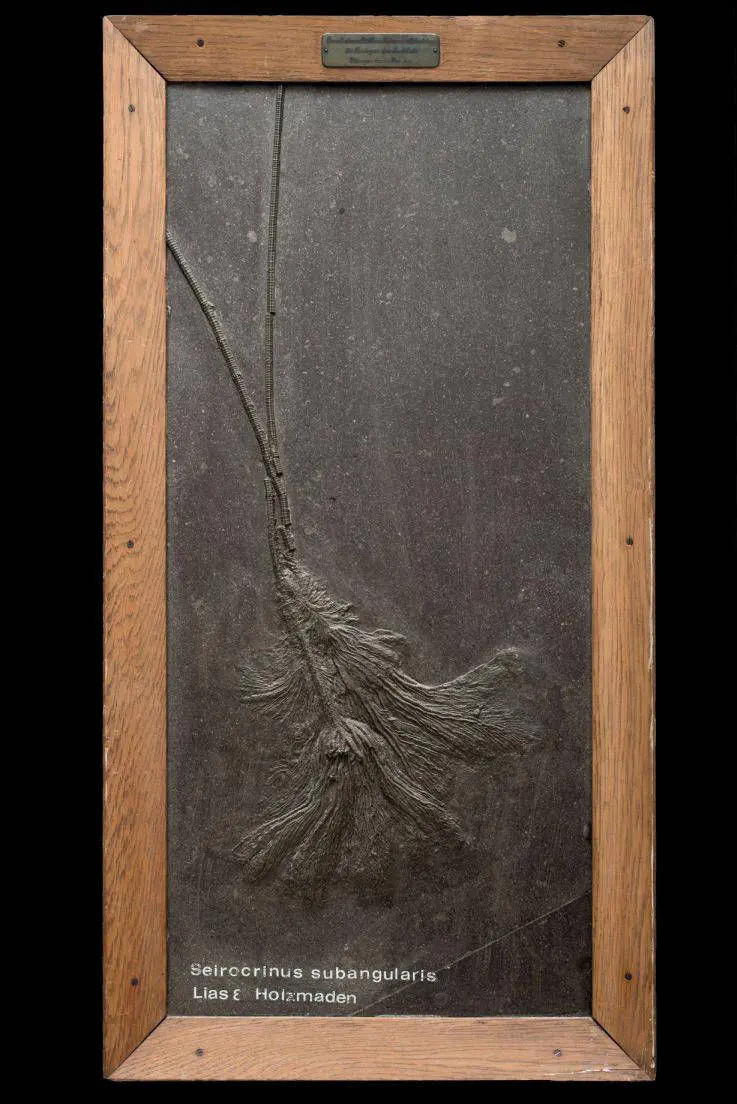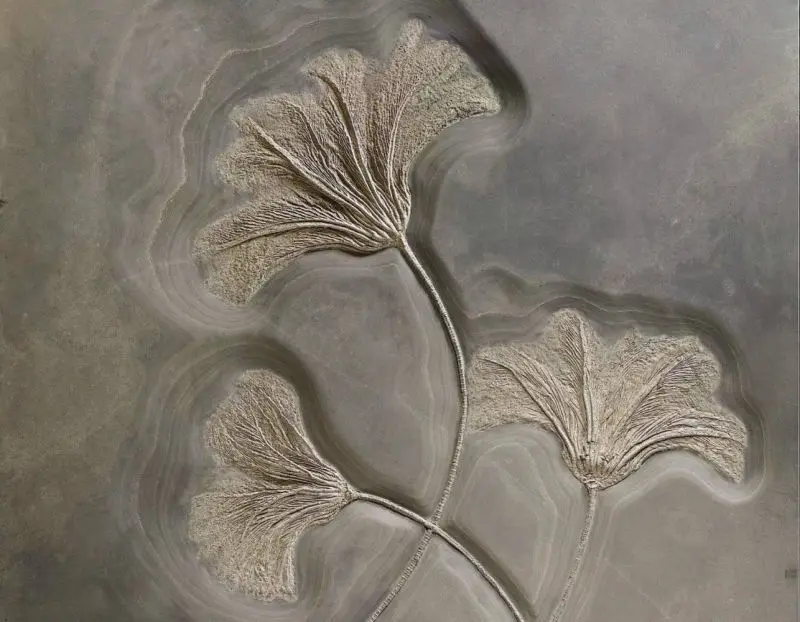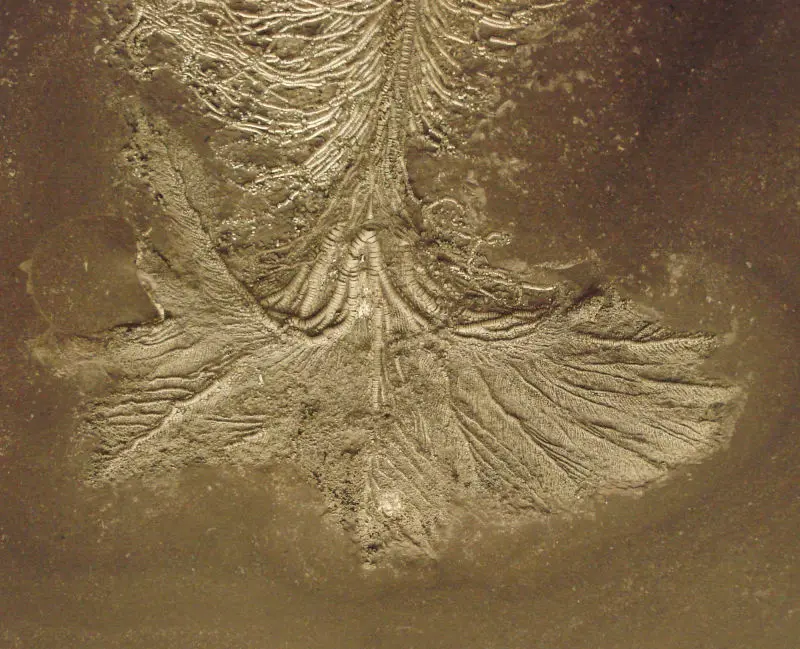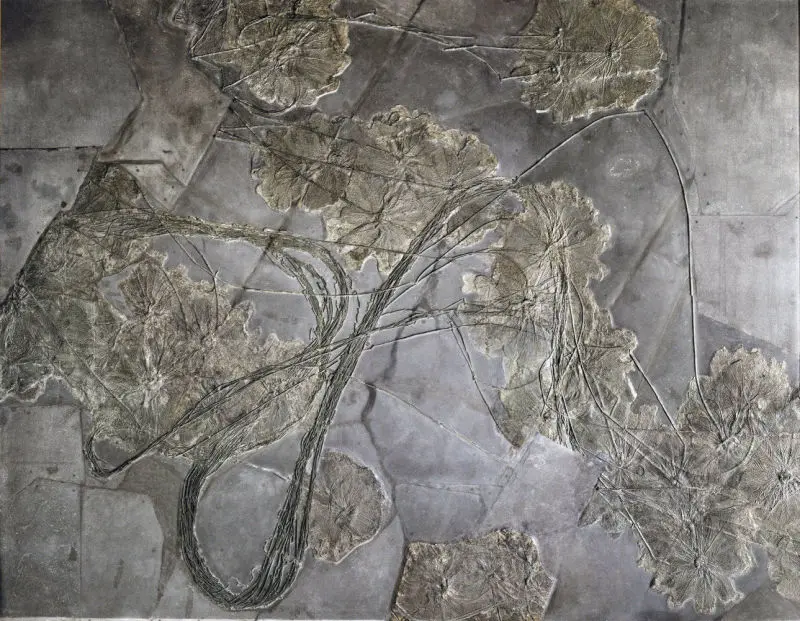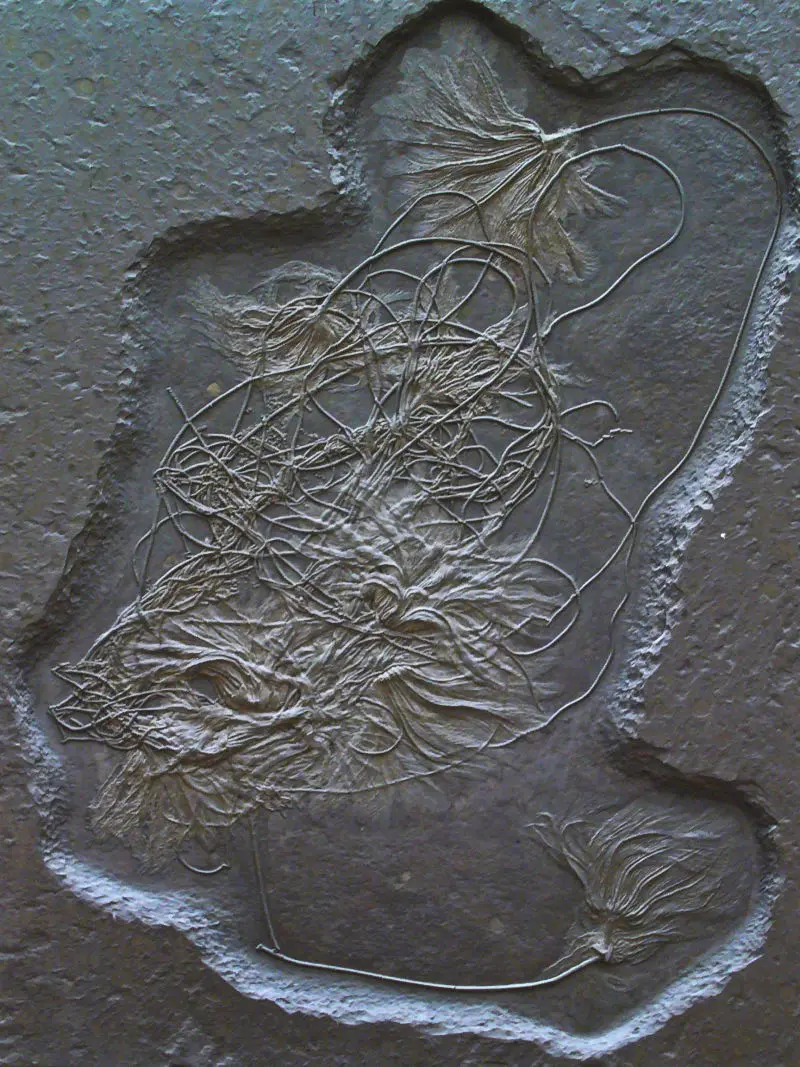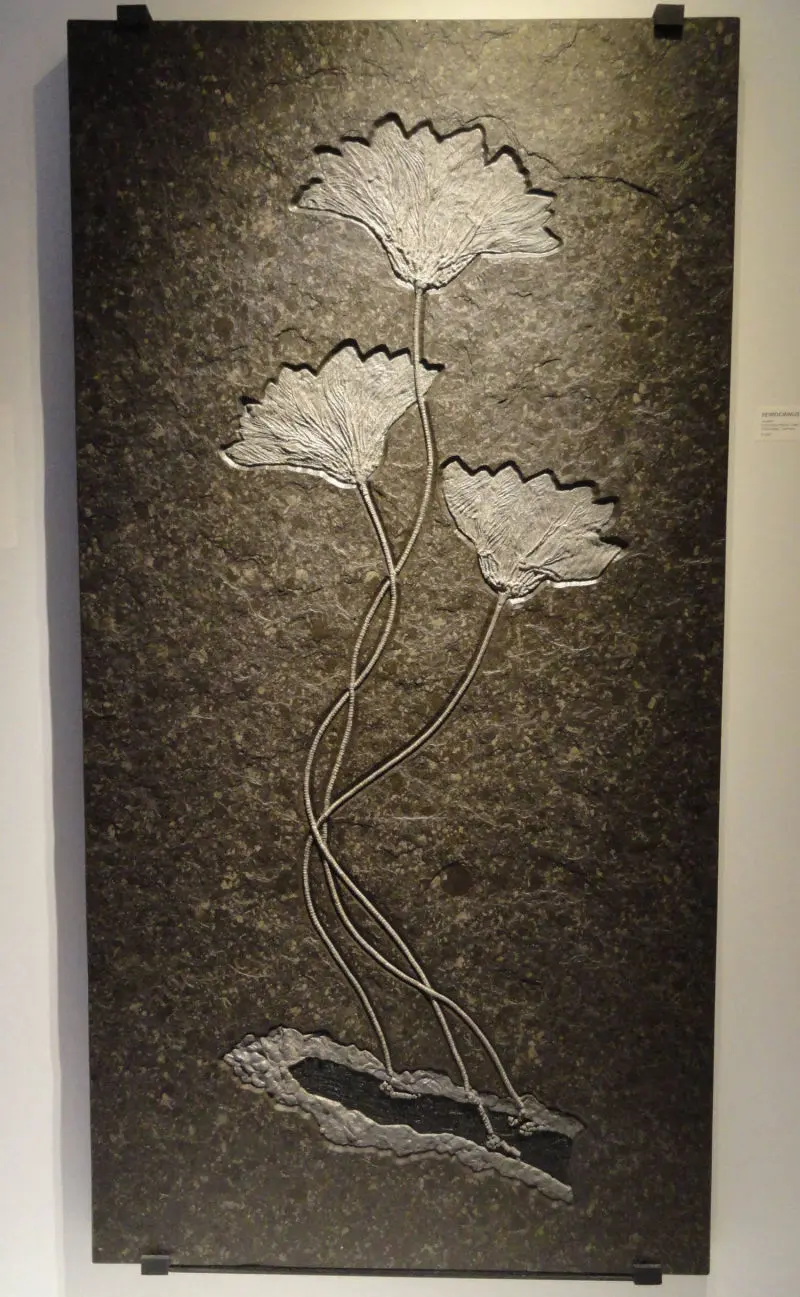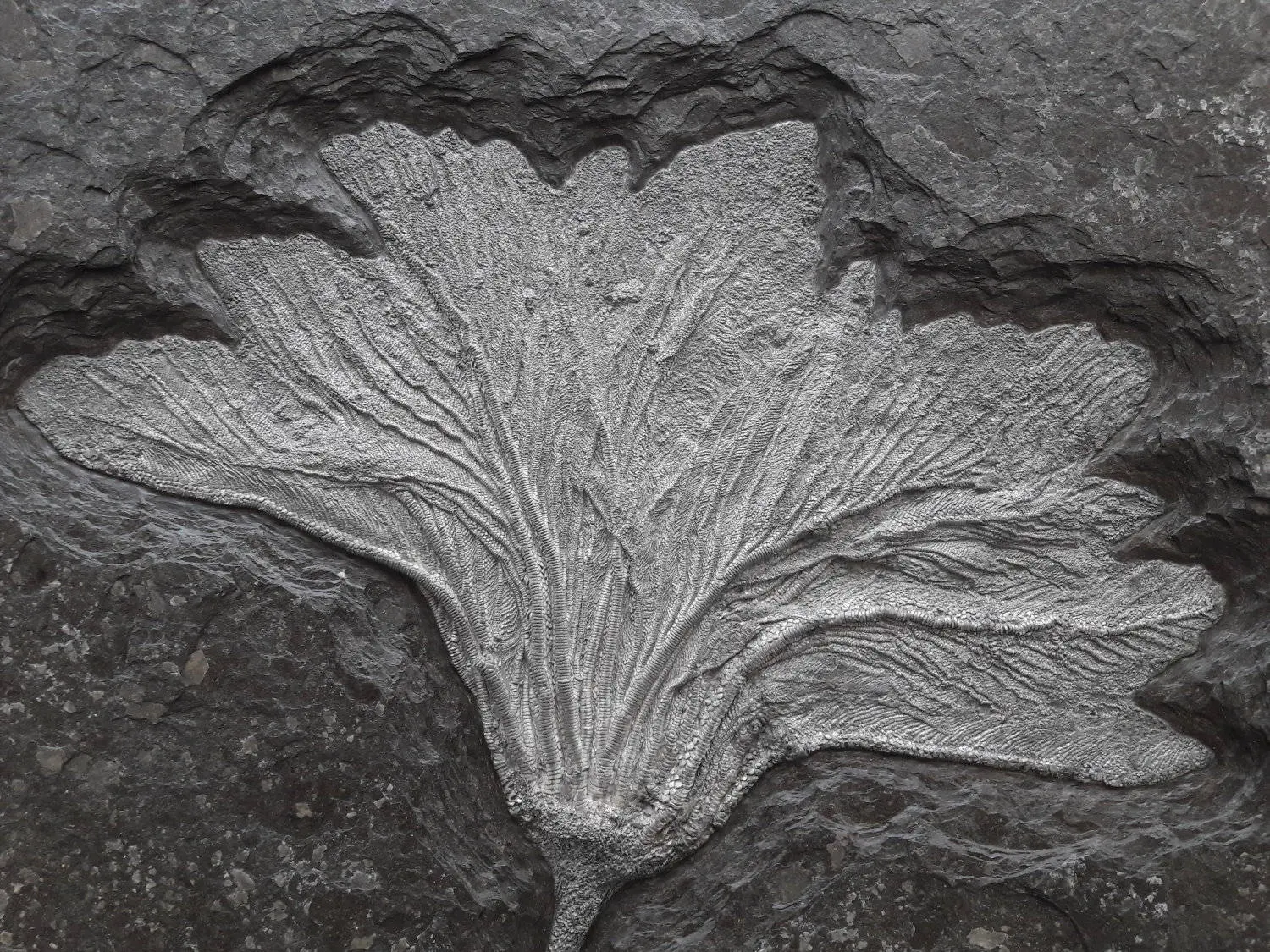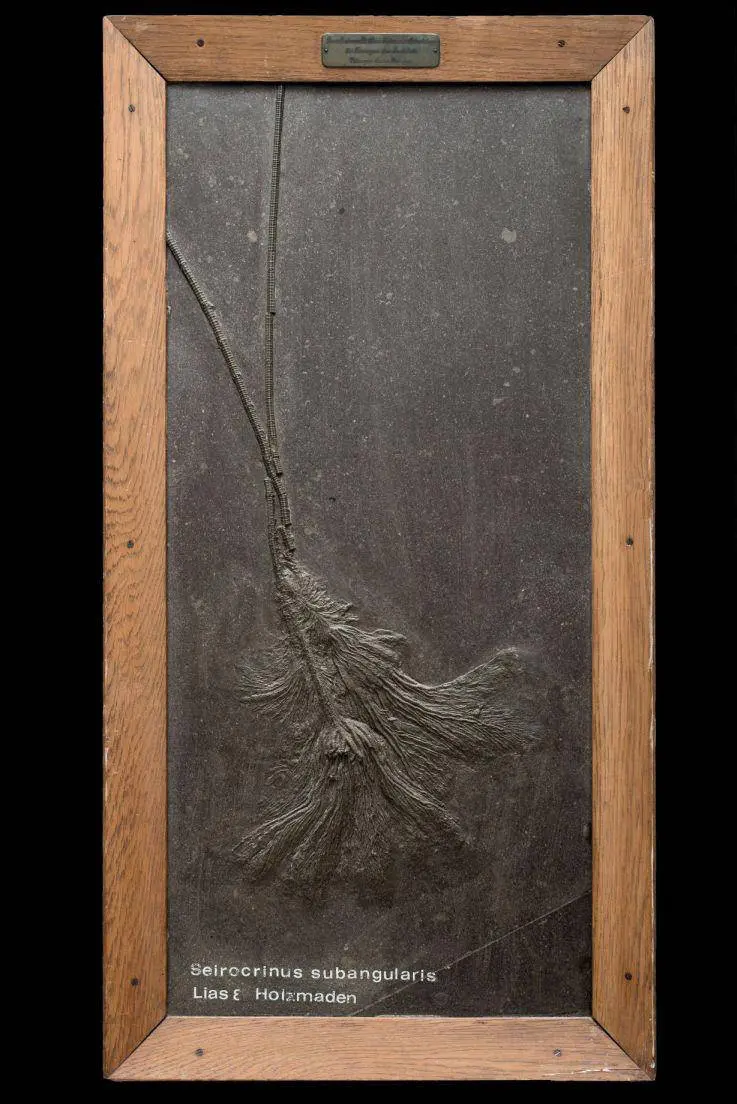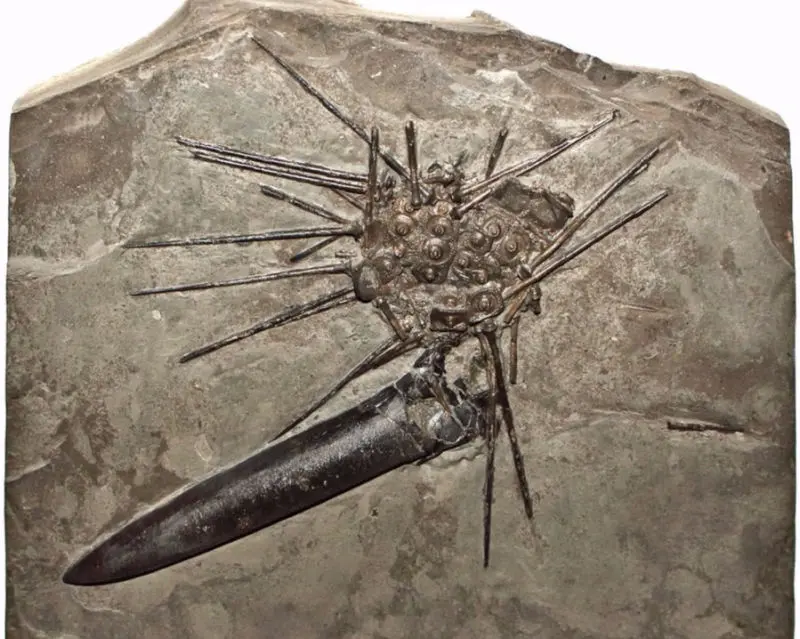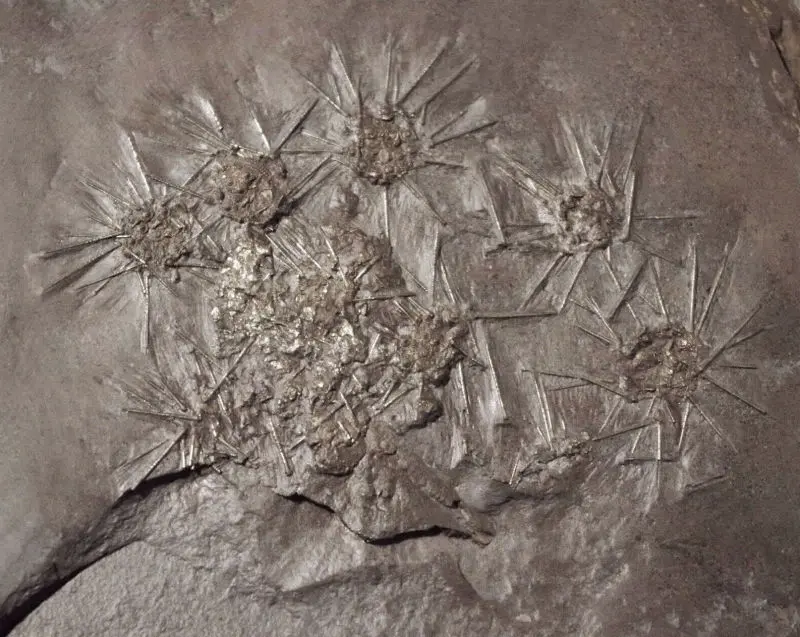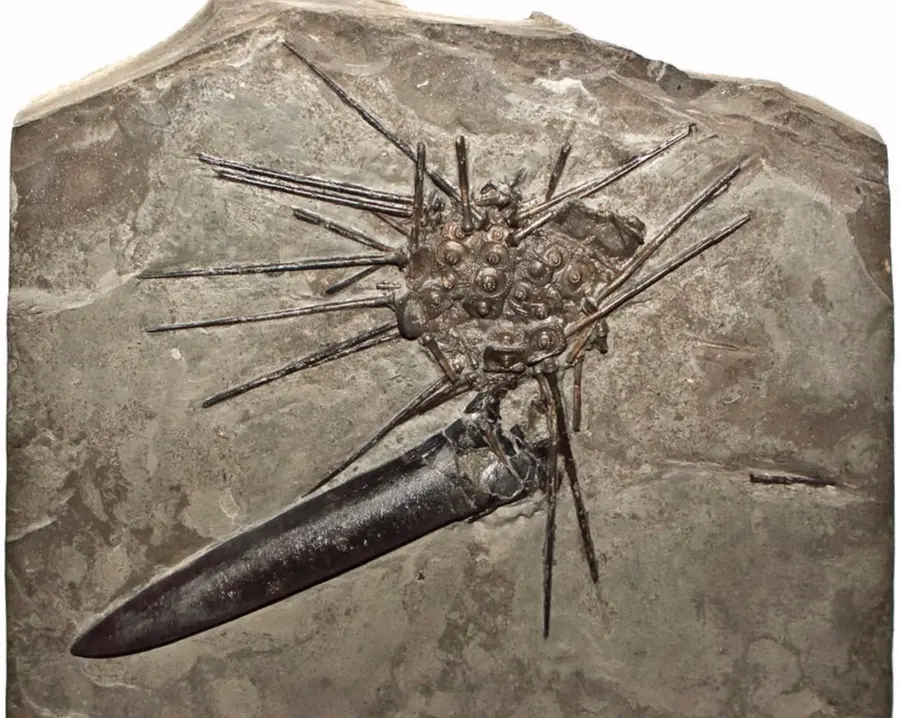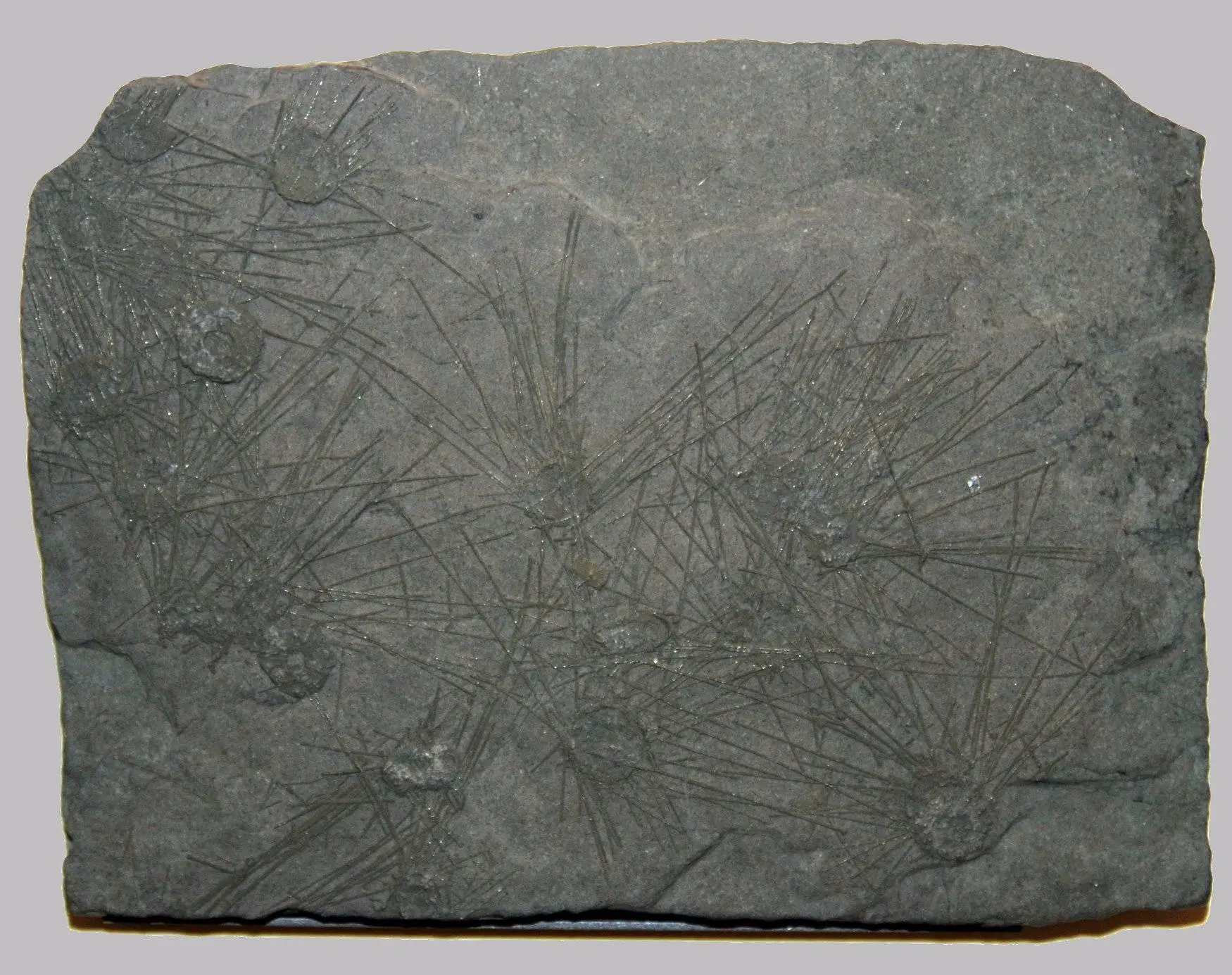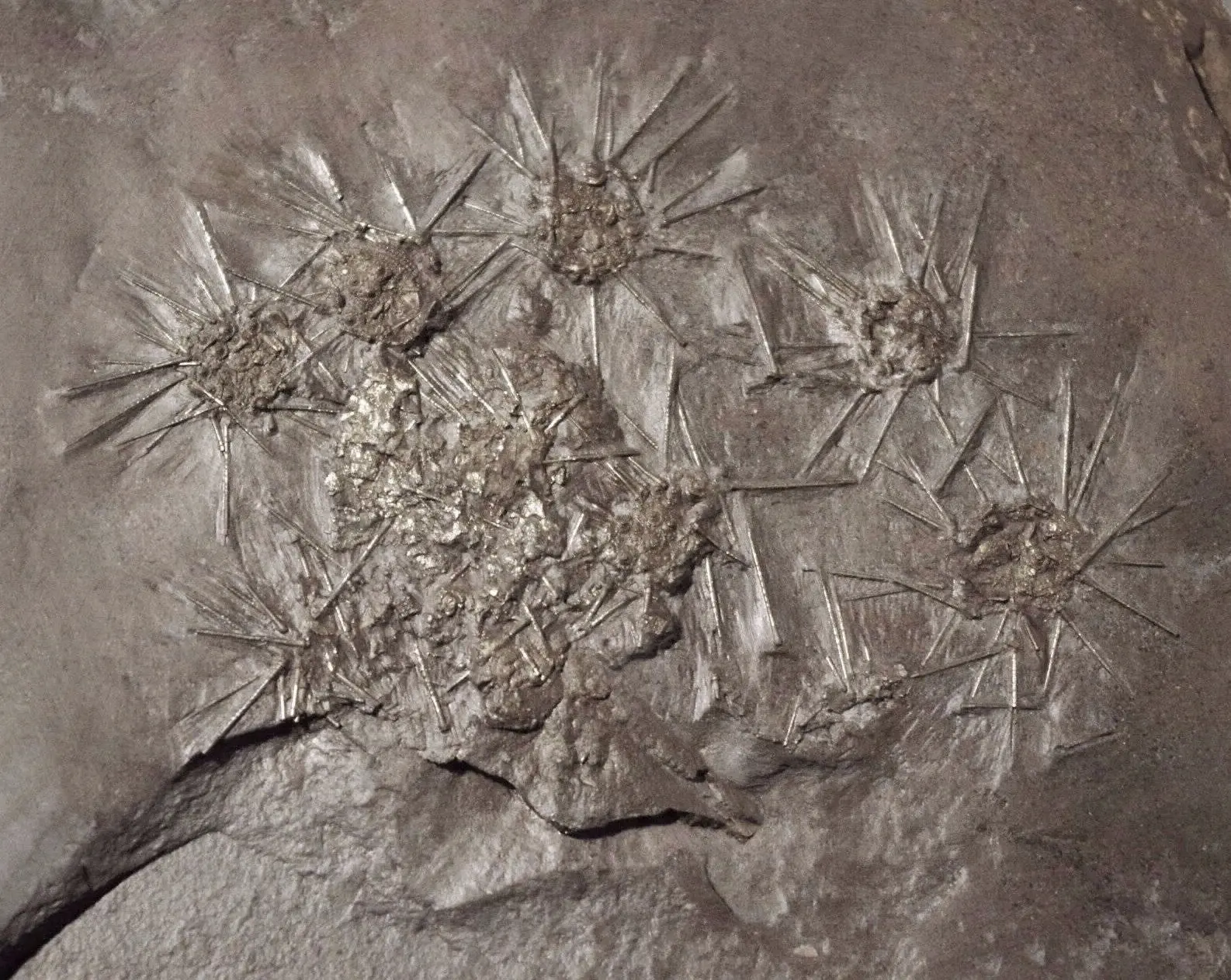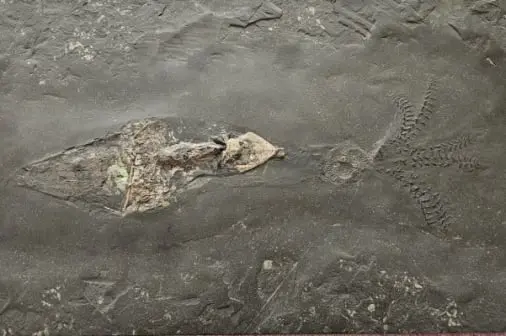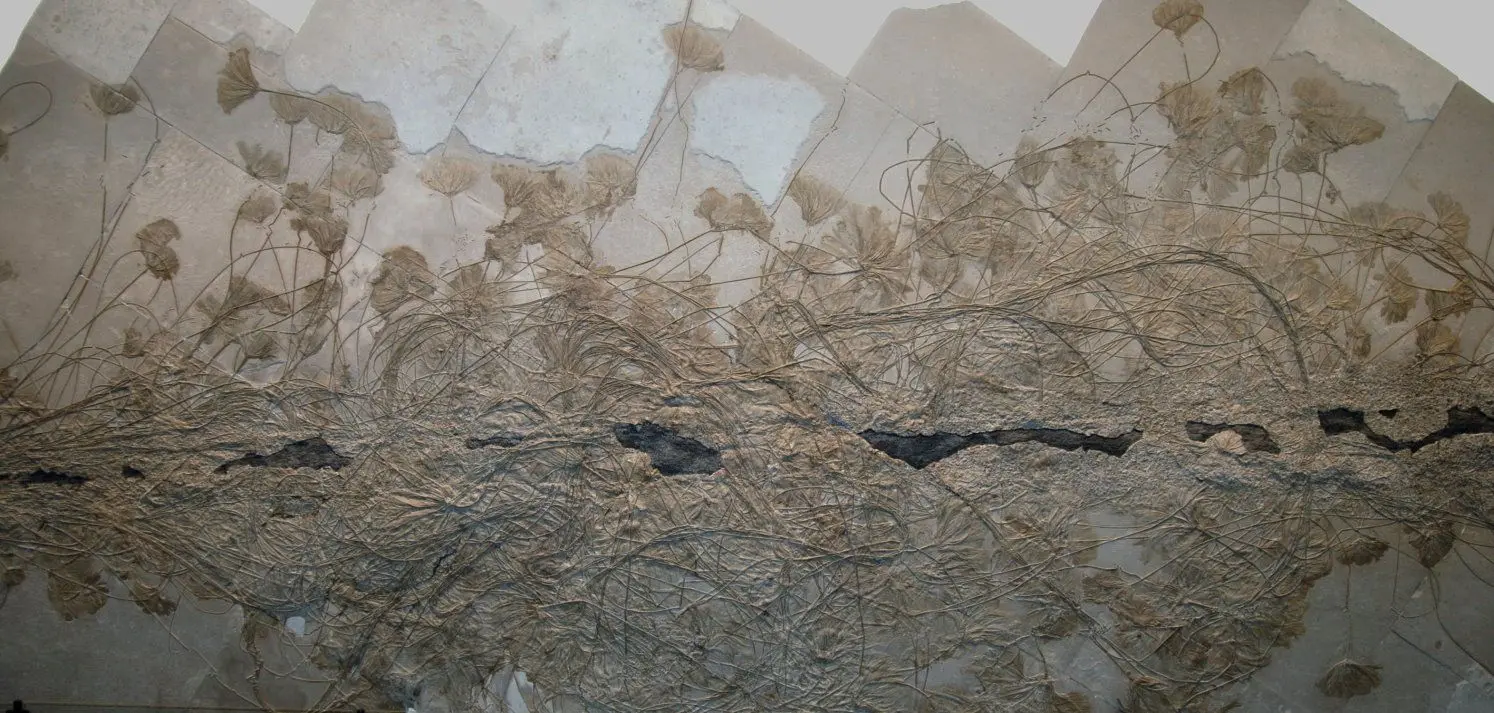
Seirocinus subangularis [6.0]
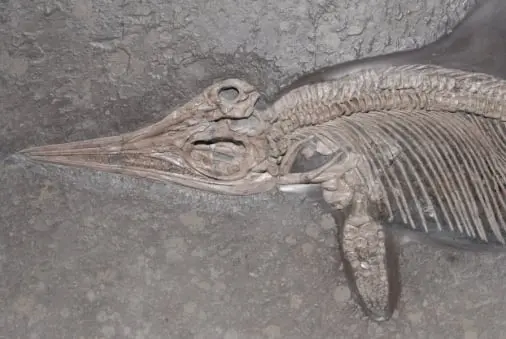
The fact that the term "fossil deposit" was first applied by A. Seilacher in 1970 to the fossil deposits around Holzmaden (and Bundenbach) is due to the worldwide unique accumulation and preservation of vertebrates. The vertebrates found in Holzmaden were the first ever traded fossils. The fossil trade goes back to Duke Carl Eugen of Württemberg. In 1749 he commissioned the delivery of important fossils to Stuttgart for teaching purposes in return for a premium. Among them was an Ichthyosaur fragment with an embryo in its body - the oldest dinosaur find in Central Europe. Embryos often lie embedded in a black substance. When Bernhard Hauff uncovered extremely fine, carbon-black remains while working on an Ichthyosaur in 1892 and explained these as skin preservation, this was initially declared impossible by Prof. Oskar Fraas. In fact, it was the first time that remains of soft tissue were uncovered from fossils. The triumph of fossils from Holzmaden to museums around the world has continued unbroken ever since.
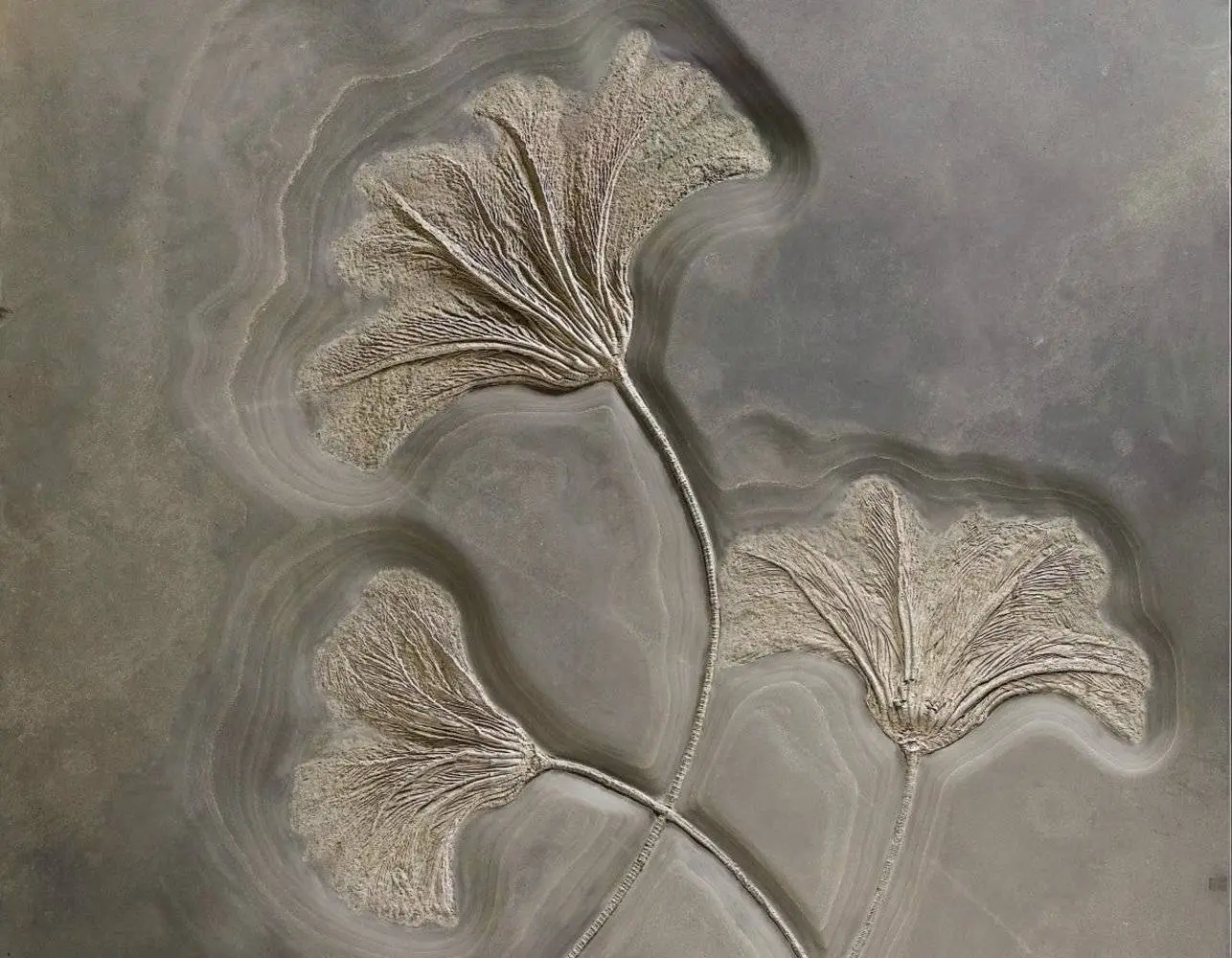
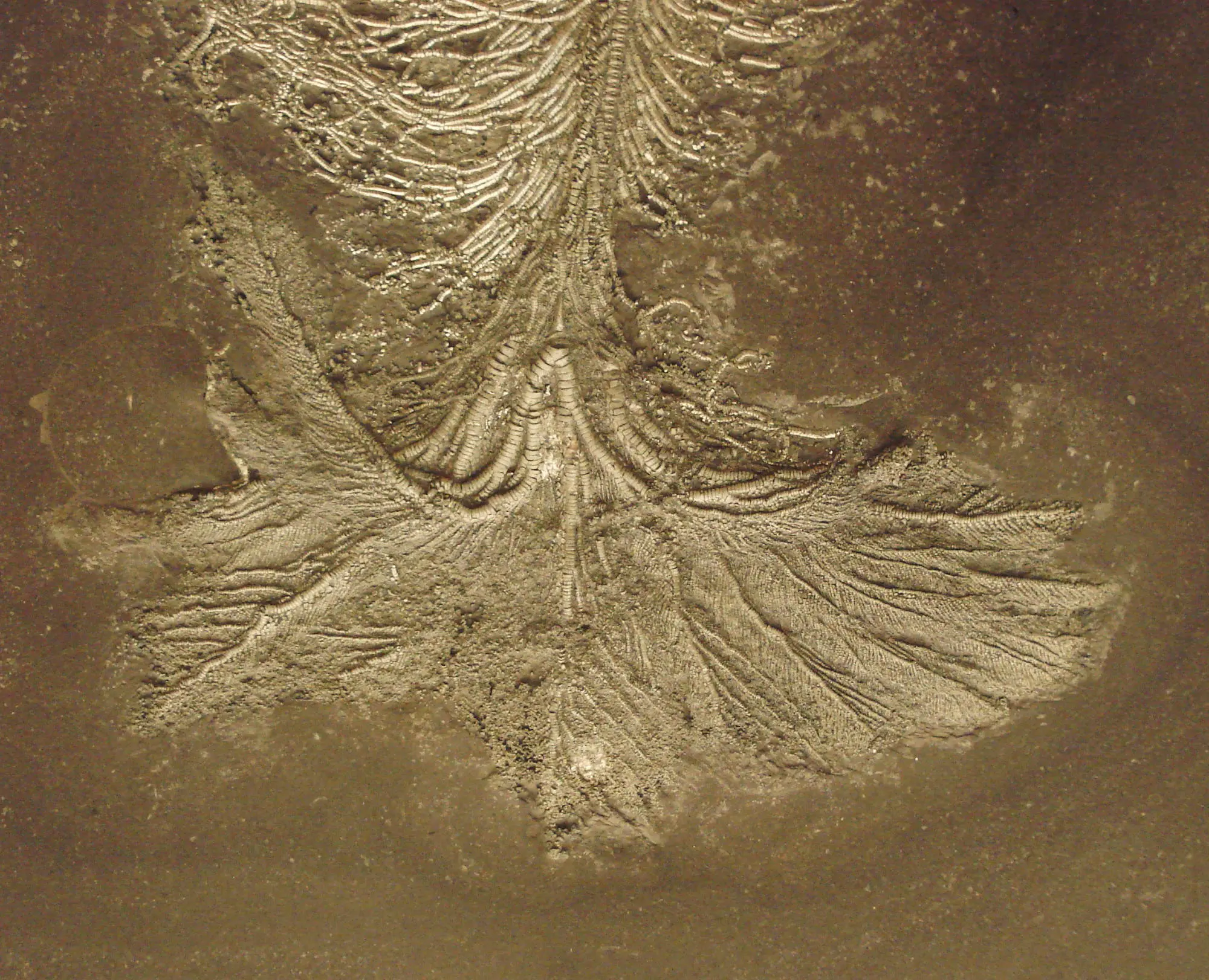
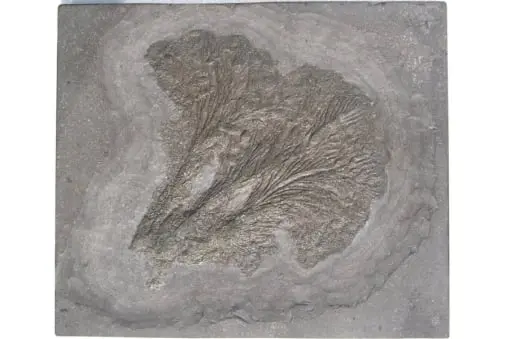
The Posidonia shale around Holzmaden is famous for his crinoids. Crinoids are commonly known as sea lilies due to their "flower-like" appearance , though they are animals, not plants. Crinoids are echinoderms related to starfish, sea urchins, and brittle stars.
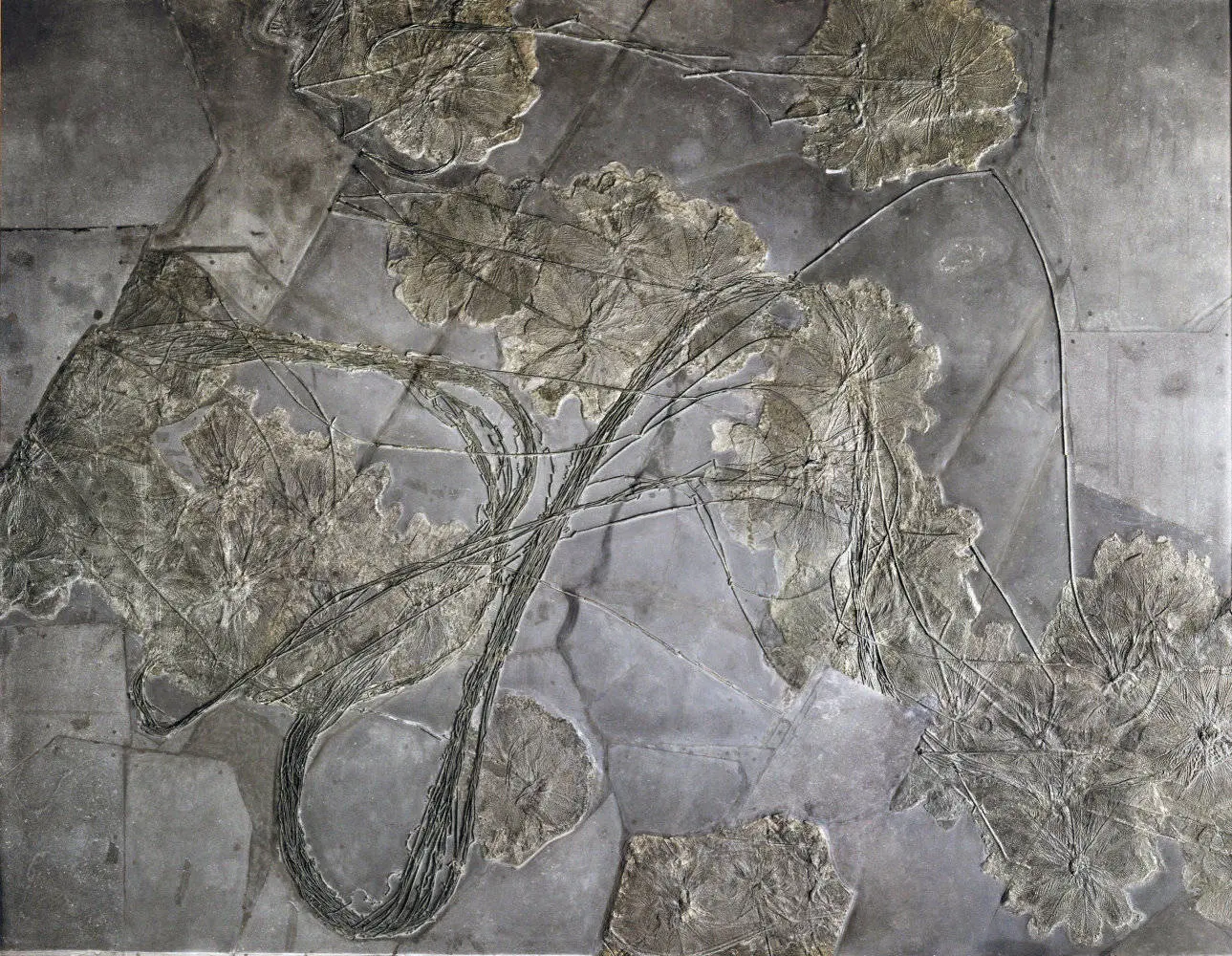
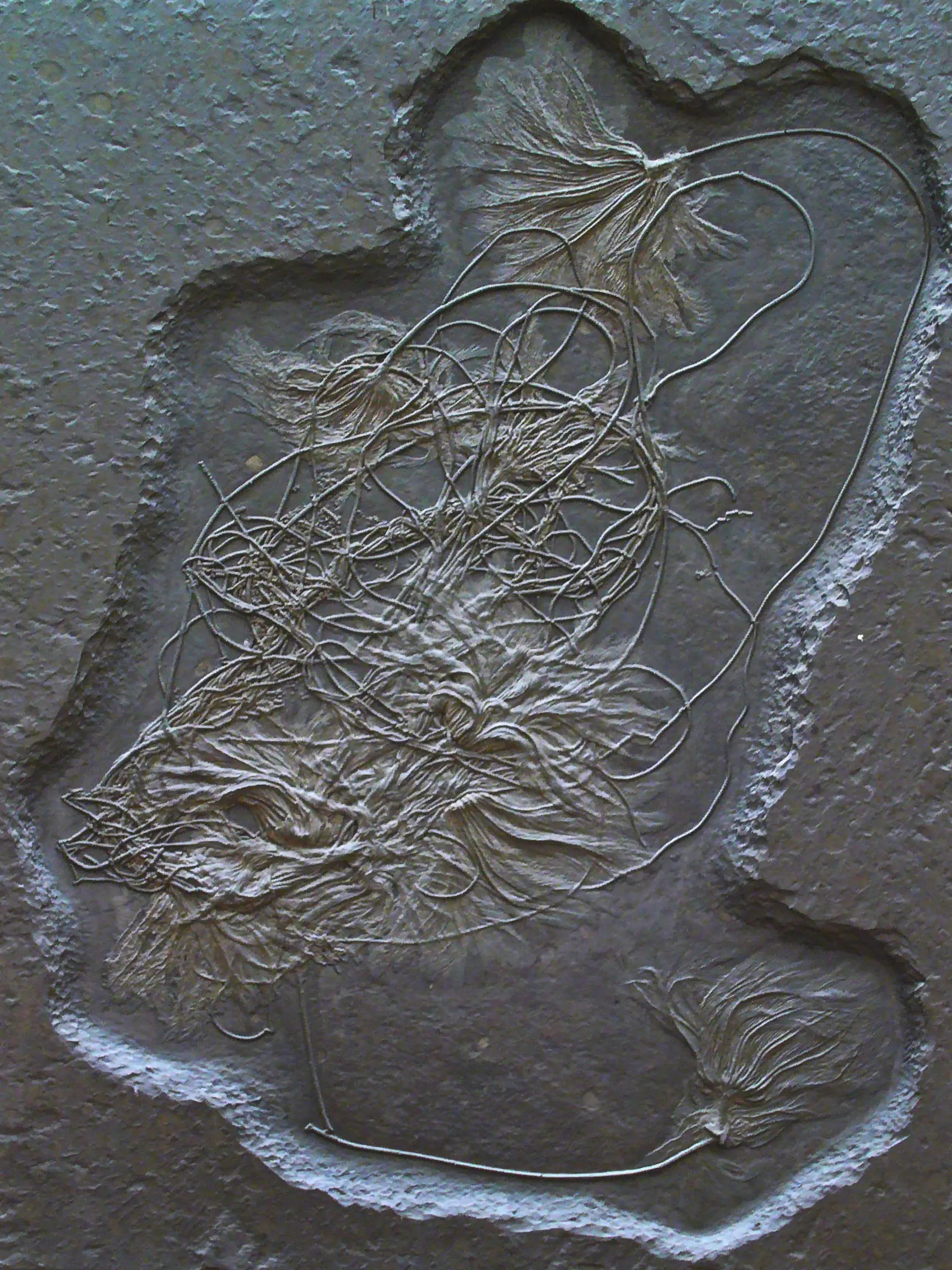
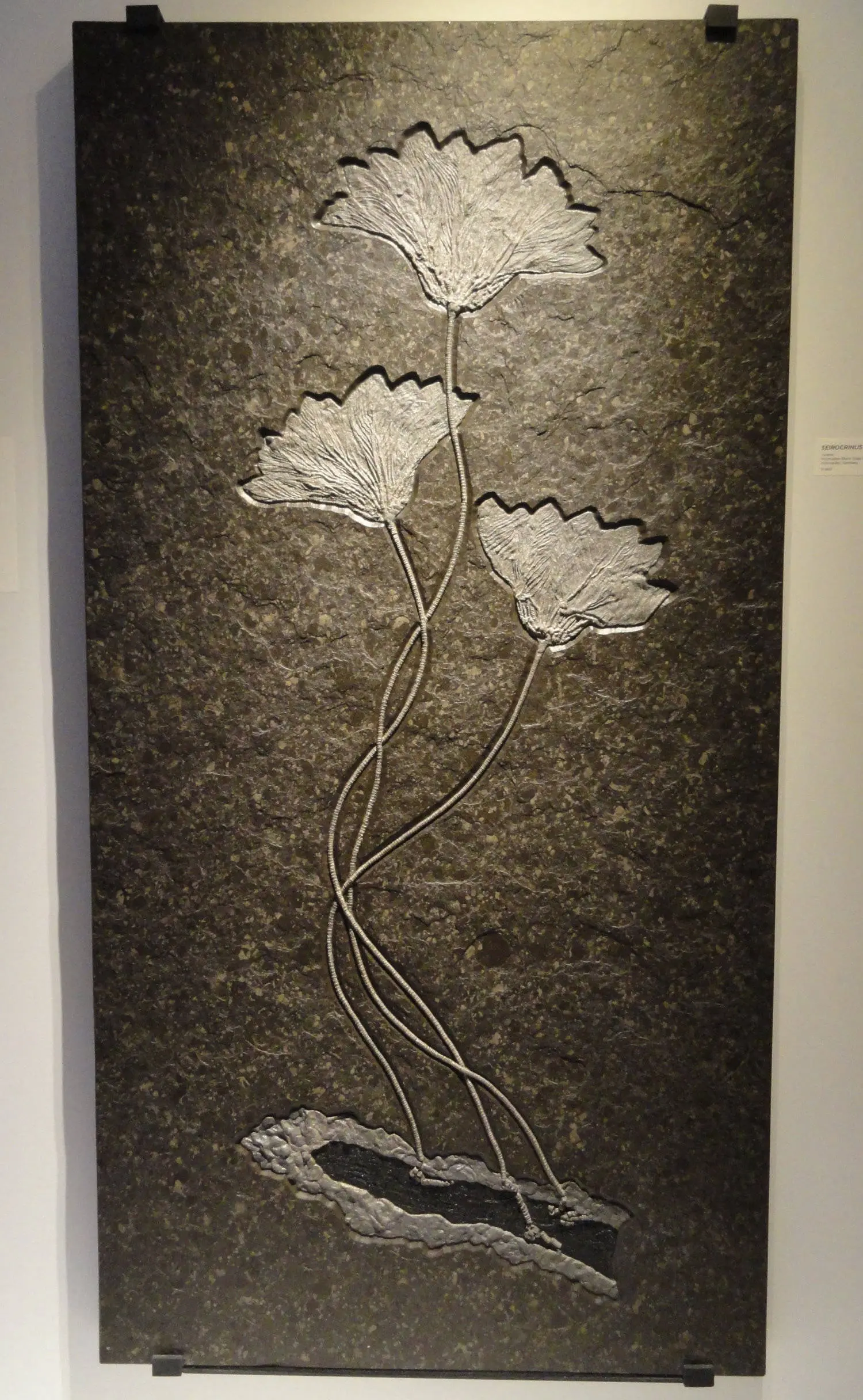
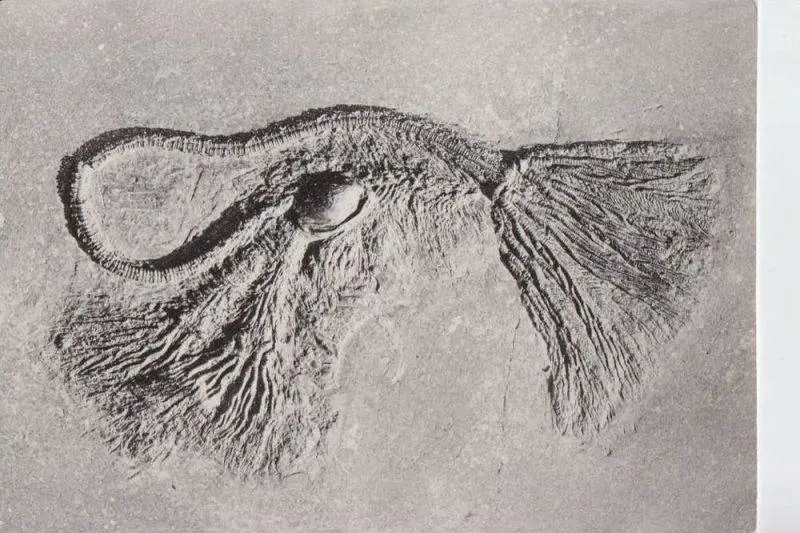
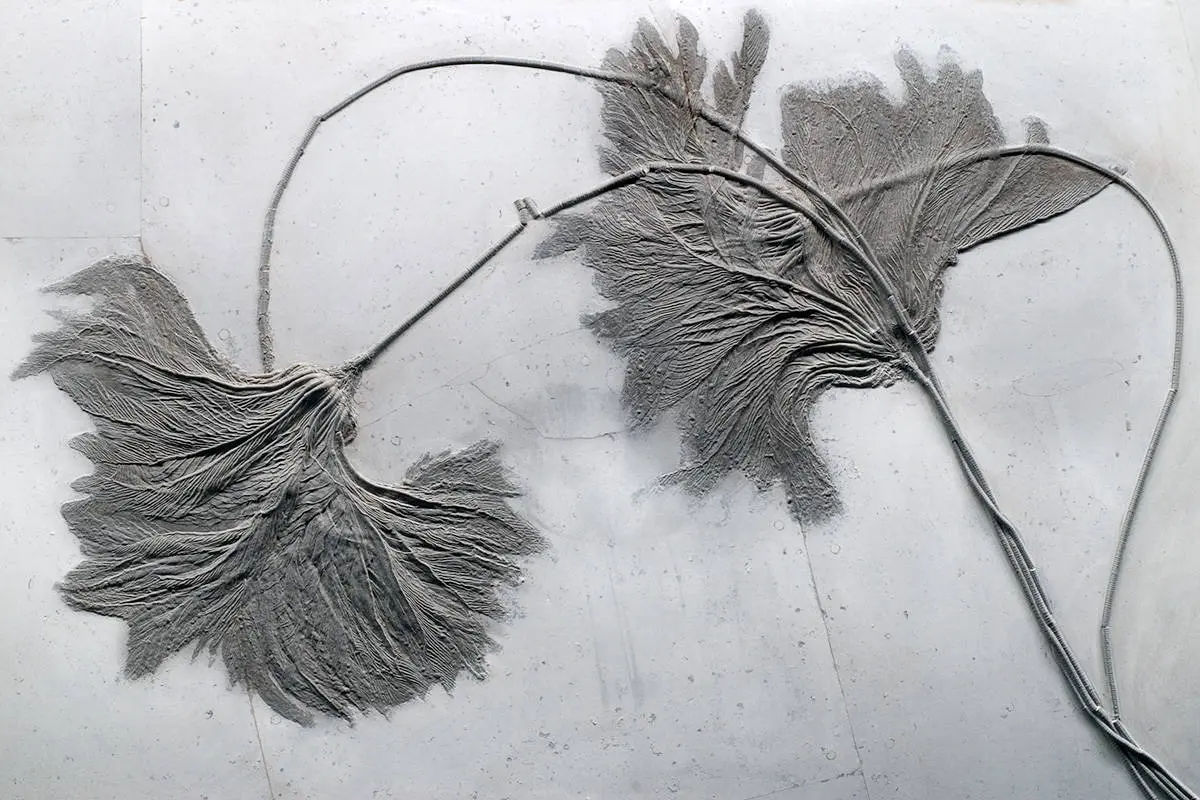
Seirocrinus subangularis from the Lower Jurassic of Holzmaden is known for spectacular finds, which are showpieces of museum collections worldwide. 1724 Friedrich Hiemer published a treatise on the “Swabian Medusa head”, in which he was one of the first to describe the animals not only as nature's games, but as the remains of an actually living but extinct animal. Hiemer explained, that the reason for the occurrence of this fossil lies in the “flood of sin” described in the Bible. The first natural sciences faculty in Germany was founded in Tübingen in 1863, and Quenstedt was the first dean. The focus of the museum, which was inaugurated in 1902, was the head of Medusa. Based on this piece, 1980 Prof. A. Seilacher turned the previous idea of the crinoids way of life on its head: He postulated a floating lifestyle for the animals, attached in colonies to driftwood, with their "heads" down. Seirocrinus was chosen as “Fossil of the Year” in 2018 by the German Paleontological Society.
Bildnachweis
[6.0]: Ghedoghedo; [6.2]: GIT; [6.4]: Ghedoghedo; [6.6]: H. Zell; [6.6]: Ghedoghedo; [6.7]: Daderot; [9.9]: MfN Berlin; [7.1]: Petr Hykš; [7.2]: Ghedoghedo; [7.3]: MfN Stuttgart
Whether you are looking for a scientific specimen or a prestigious fossil for your collection - located in South Germany, close to the source, we offer you a fine selection of Holzmaden crinoids at an attractive price.
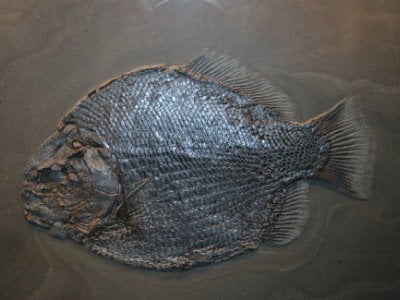
Have a look, how preparation works
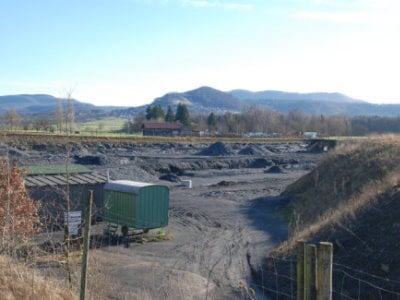
Learn more about this world famous fossil site

Services