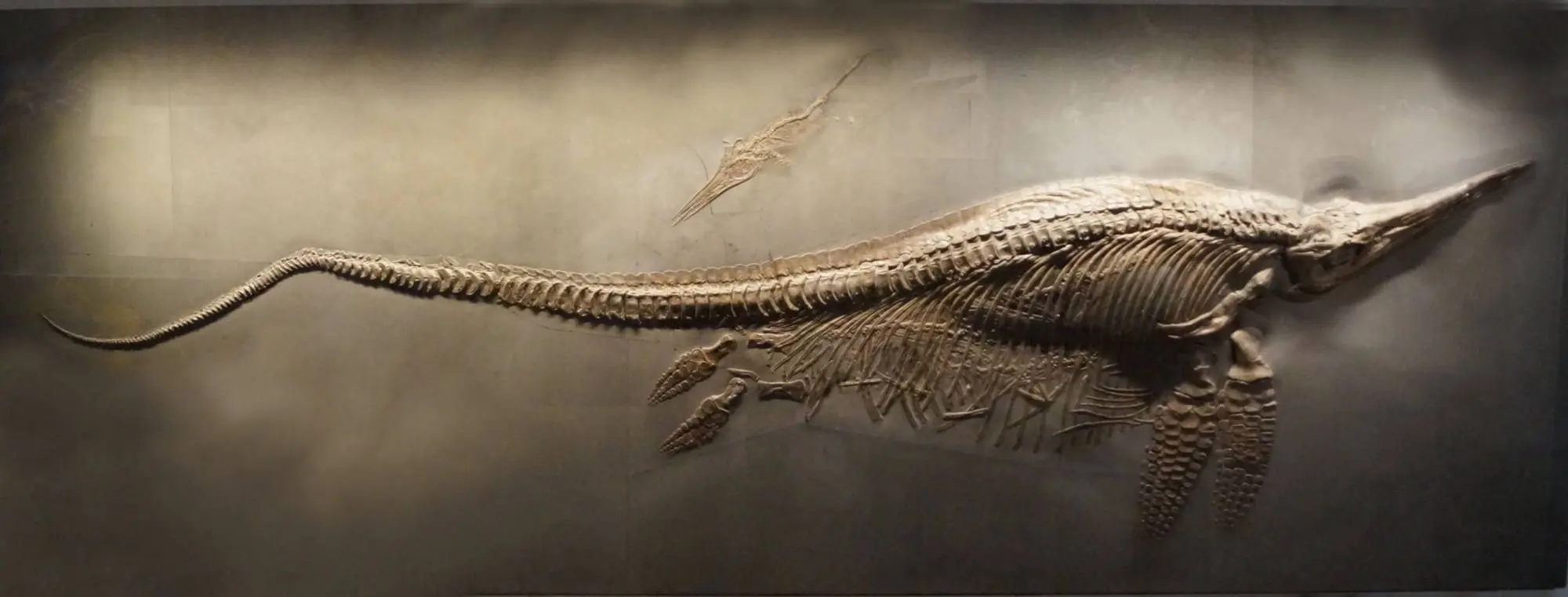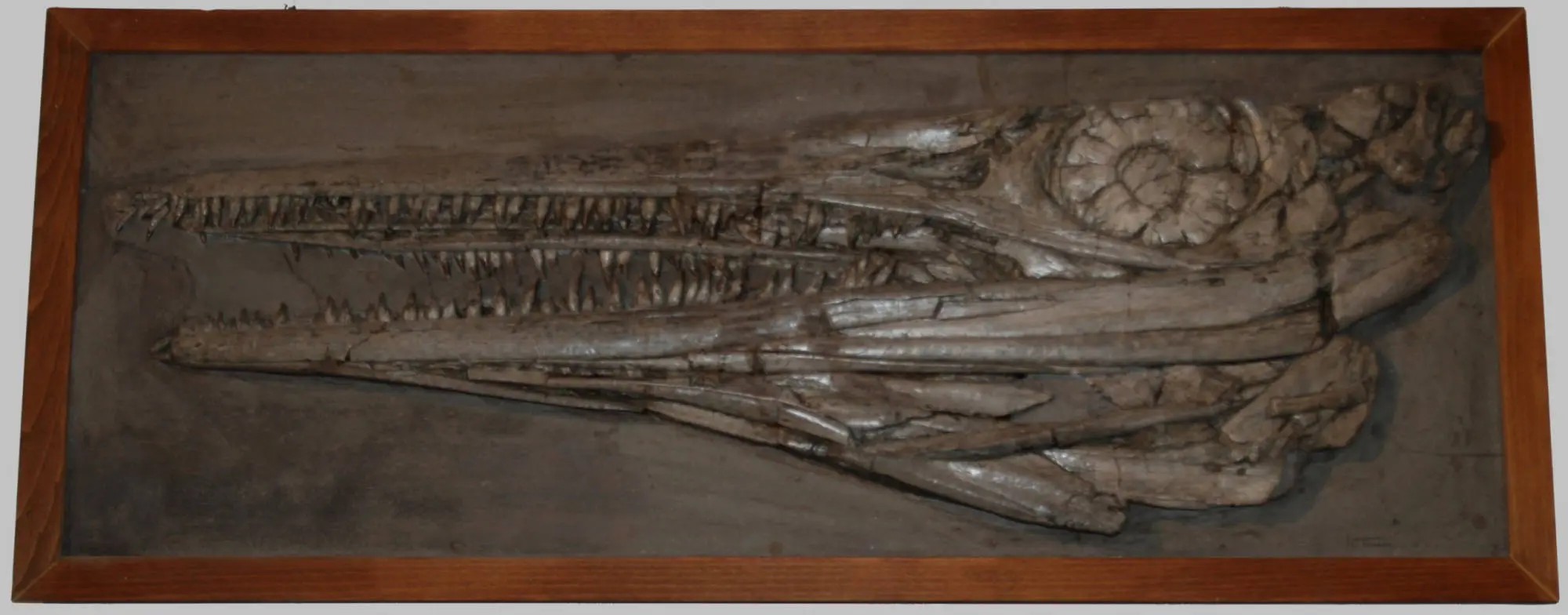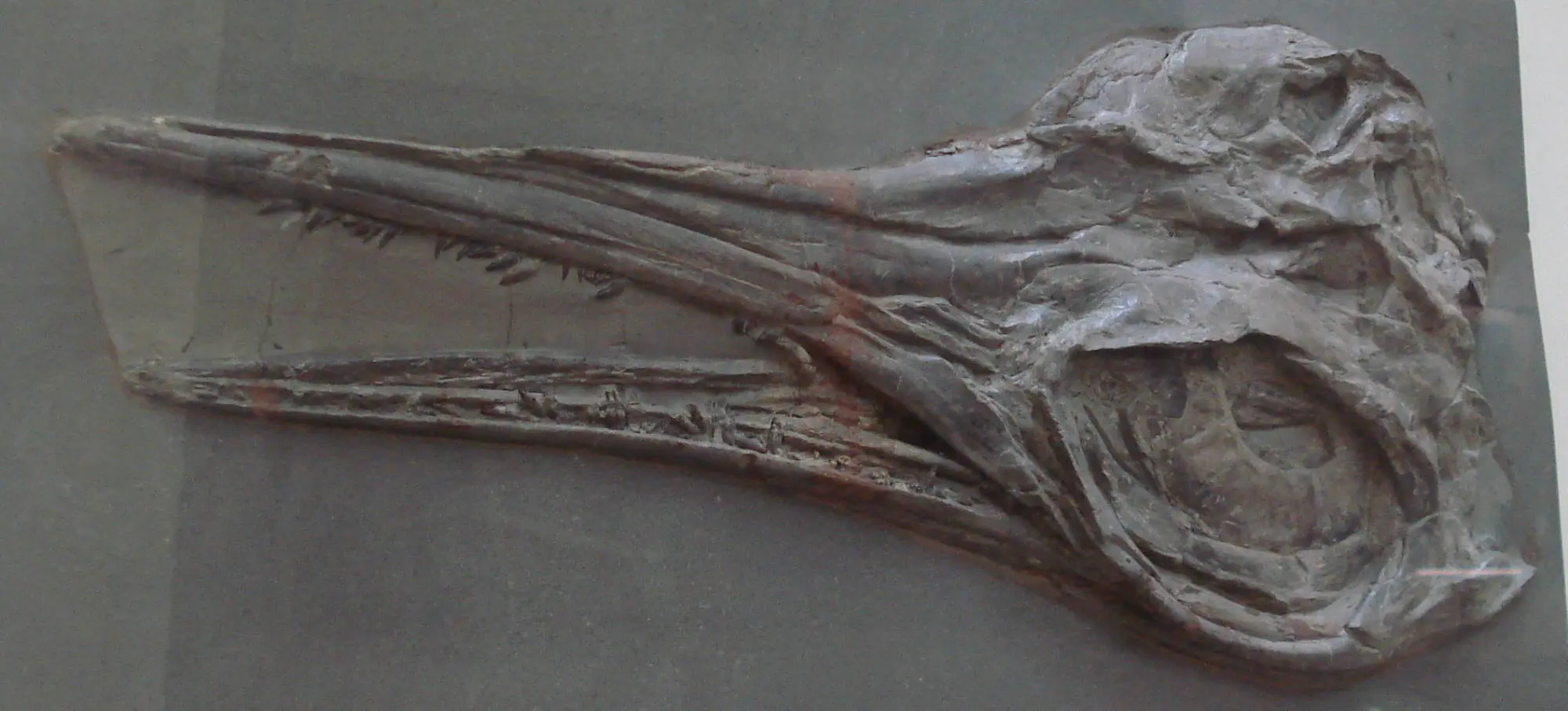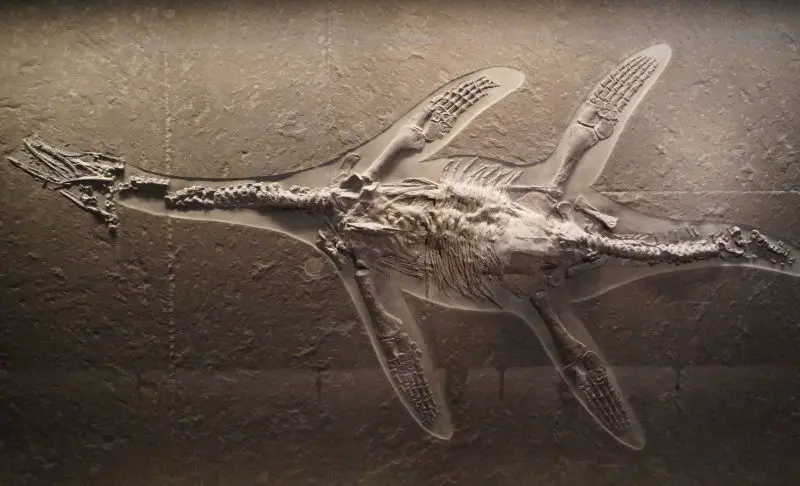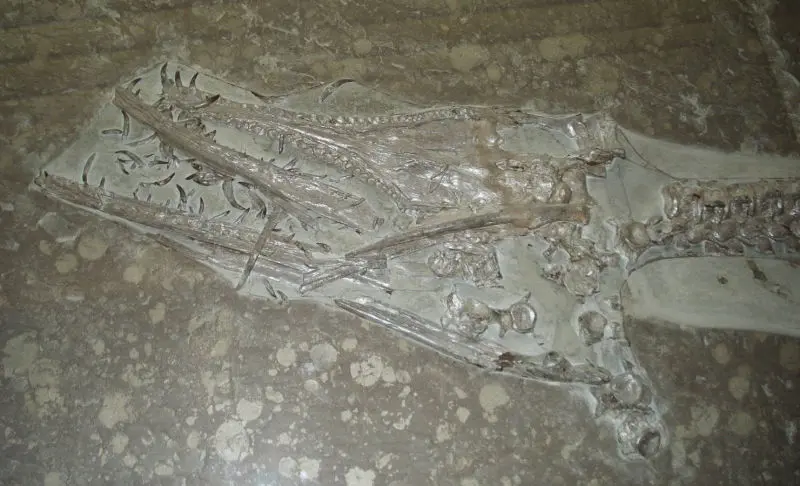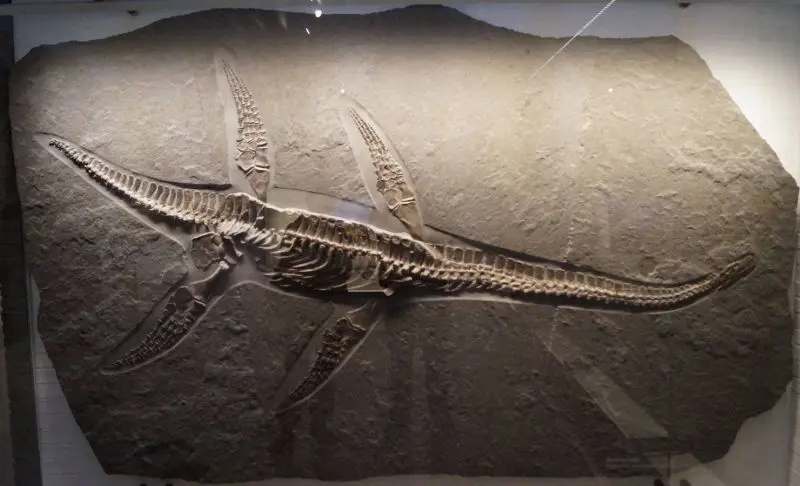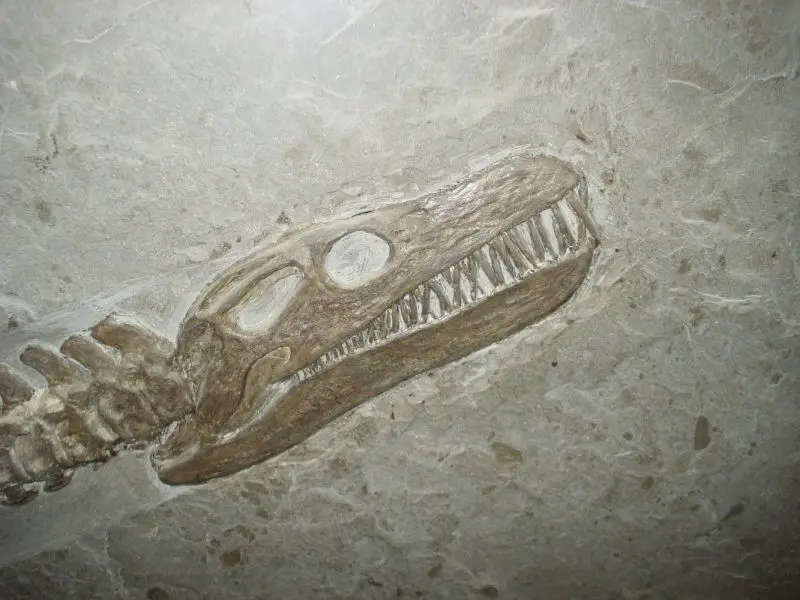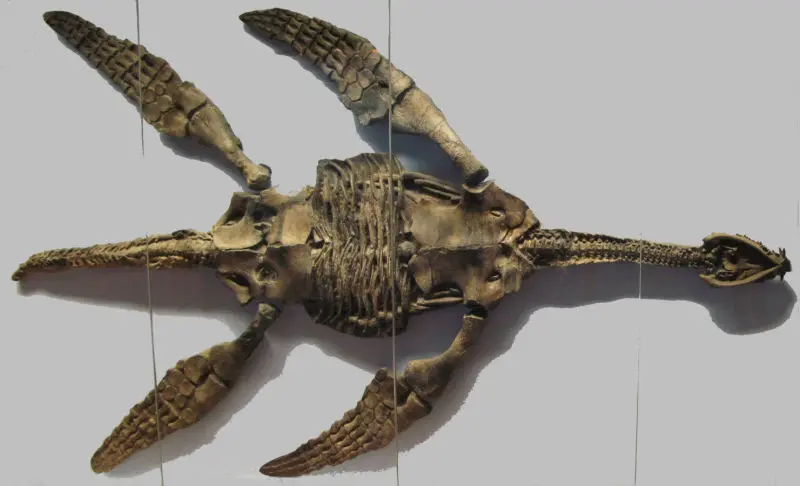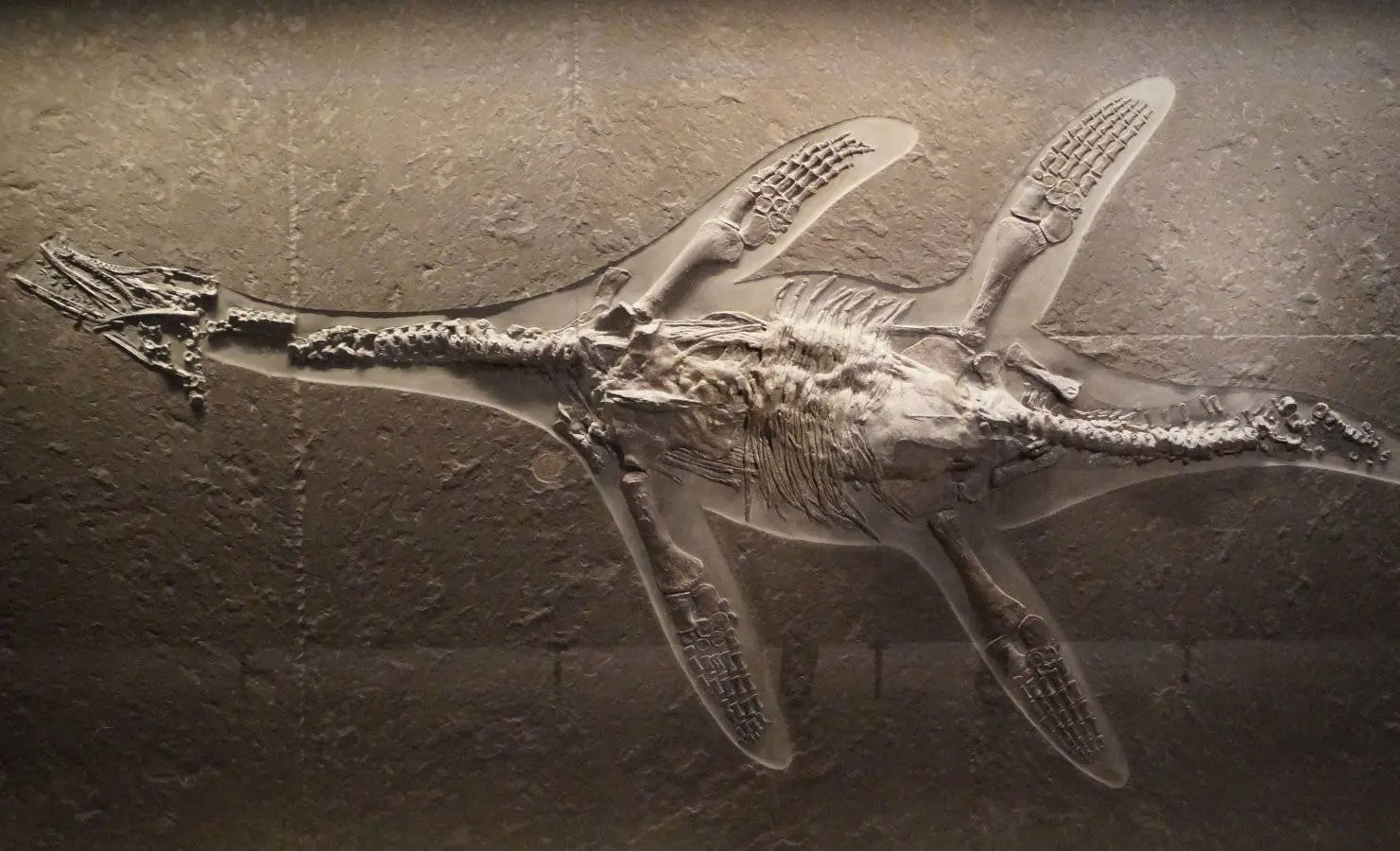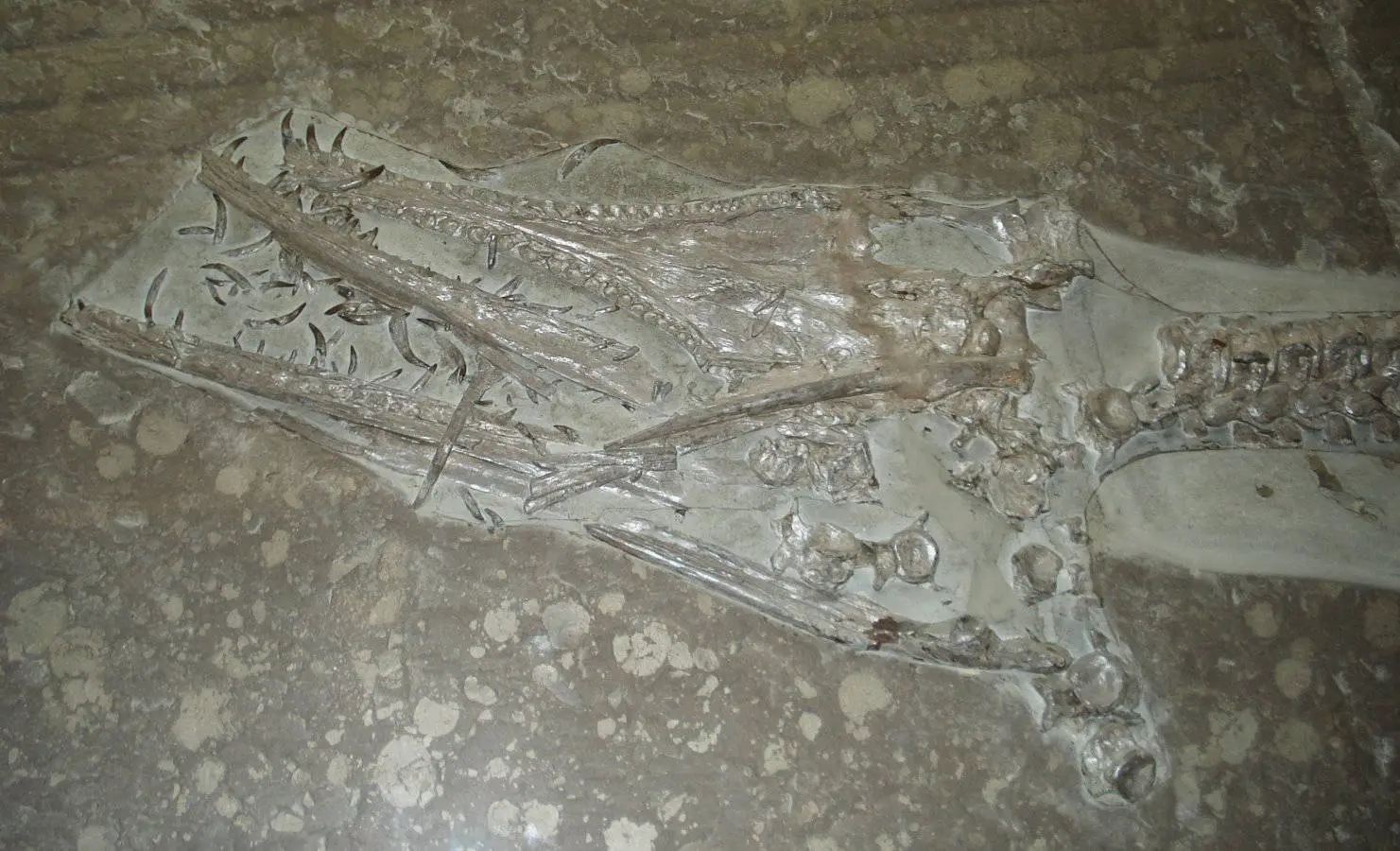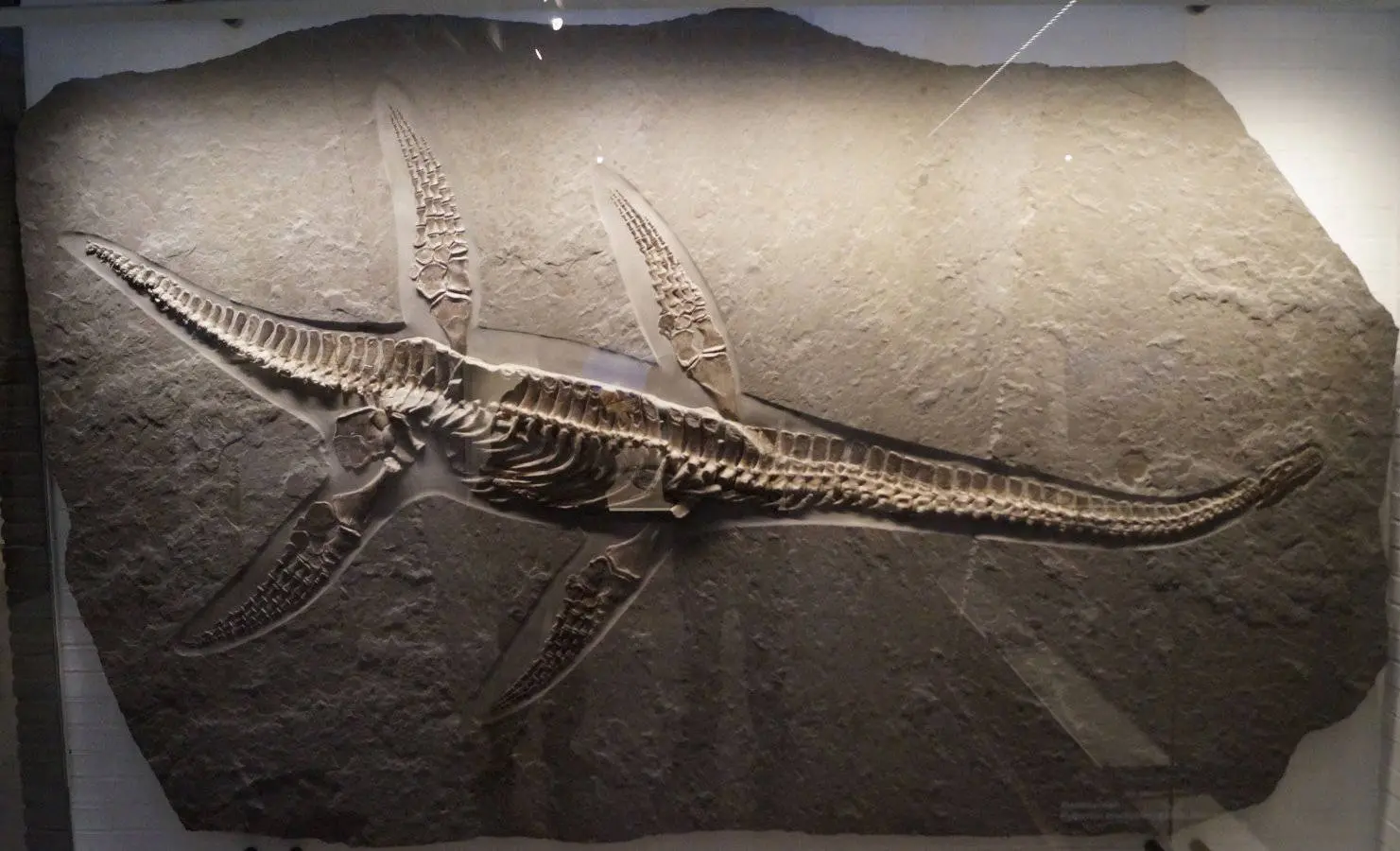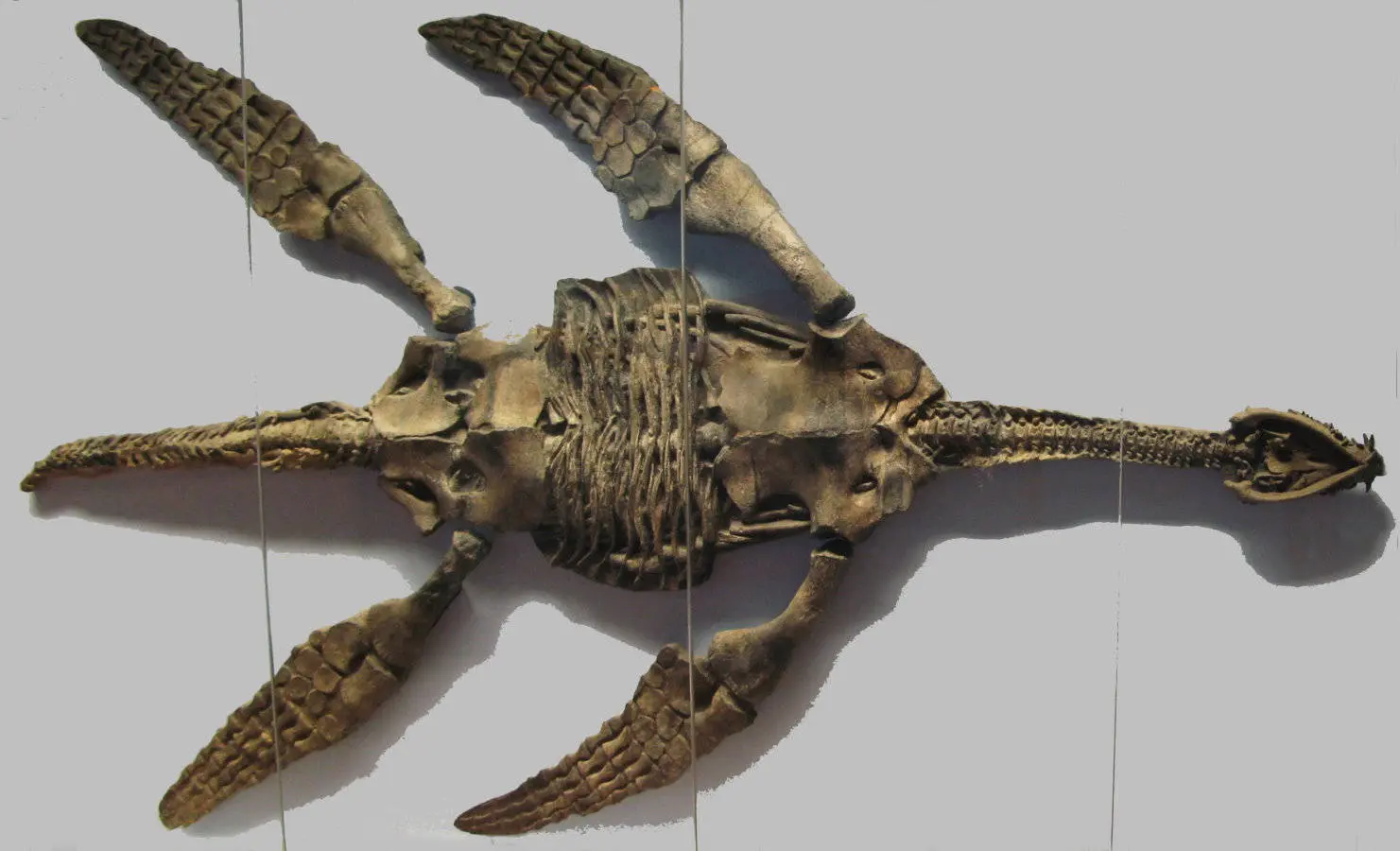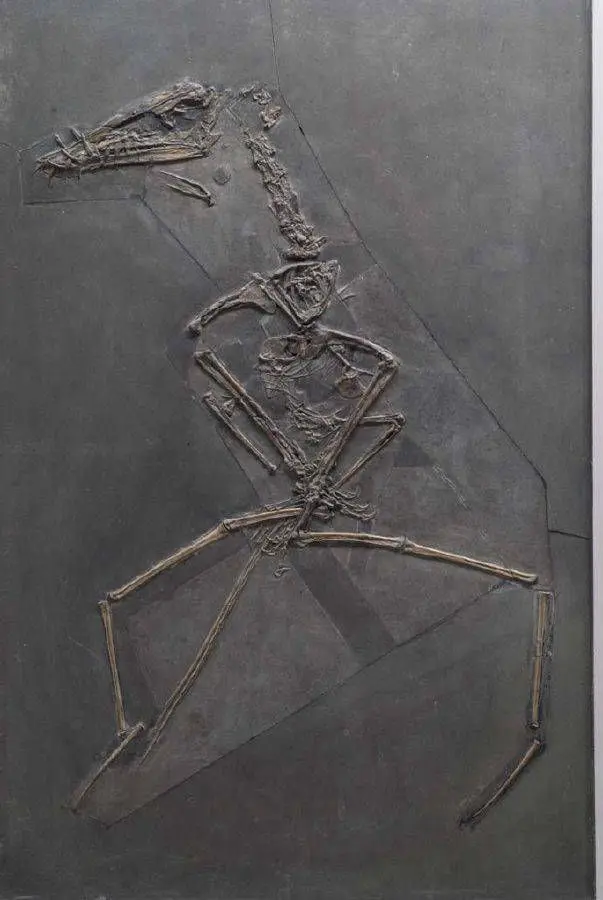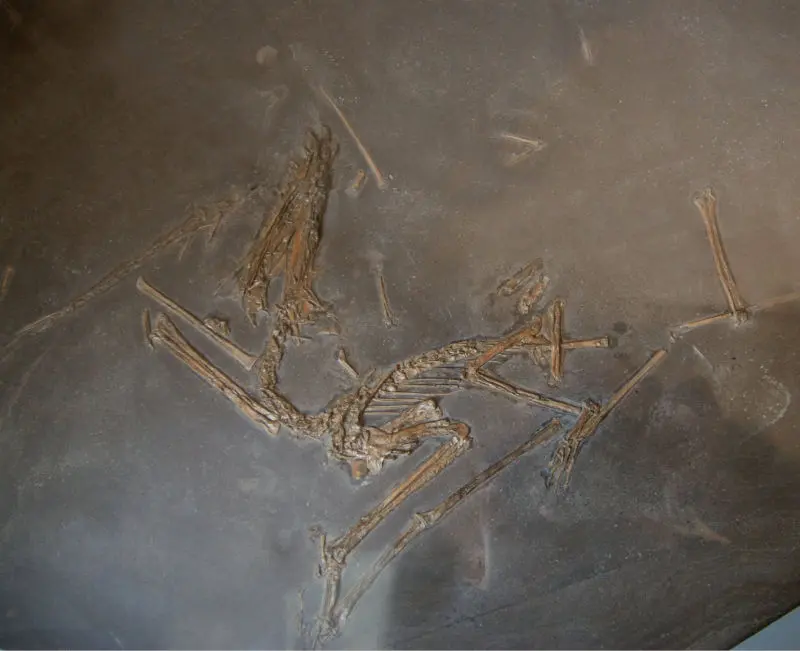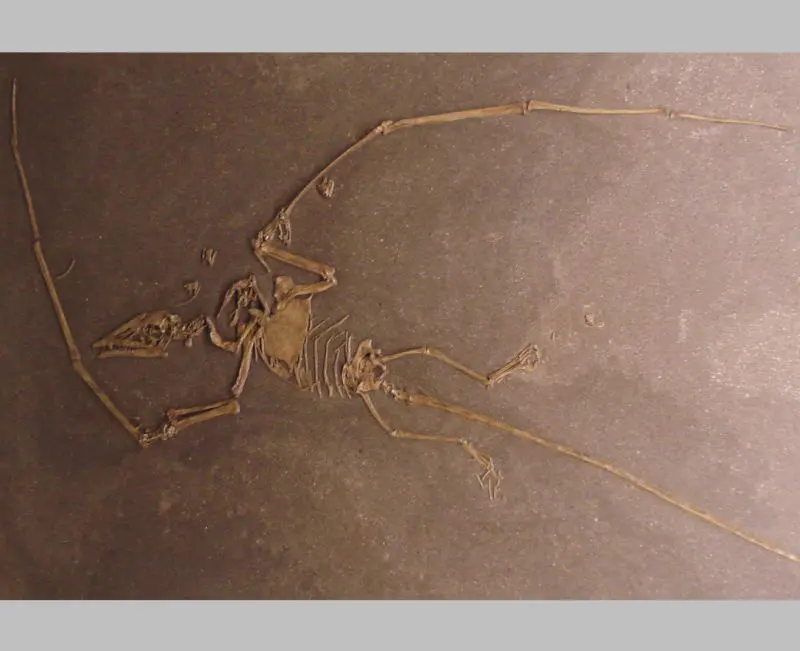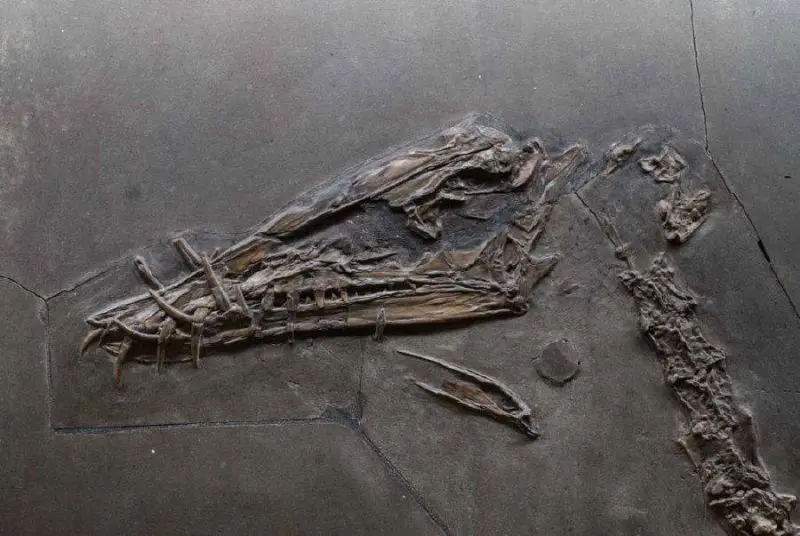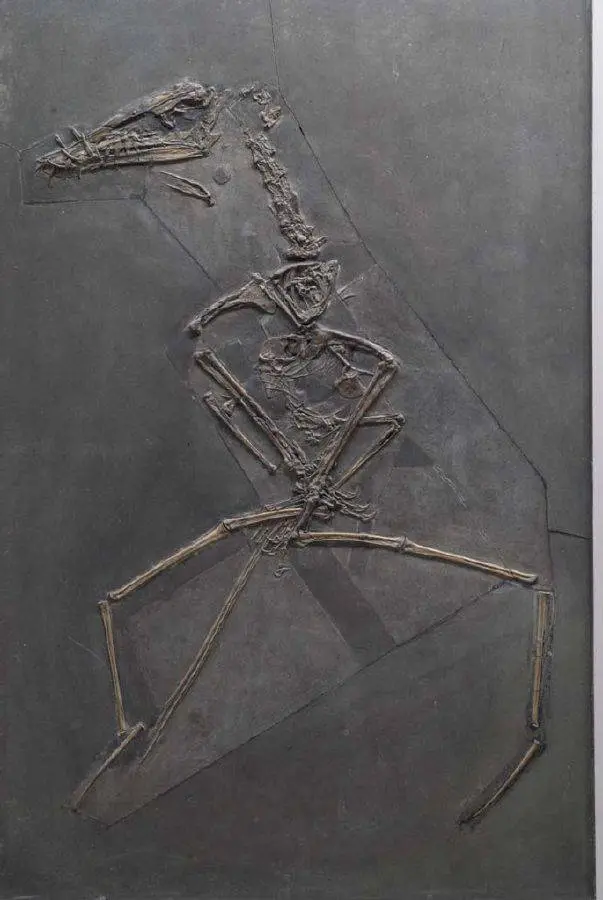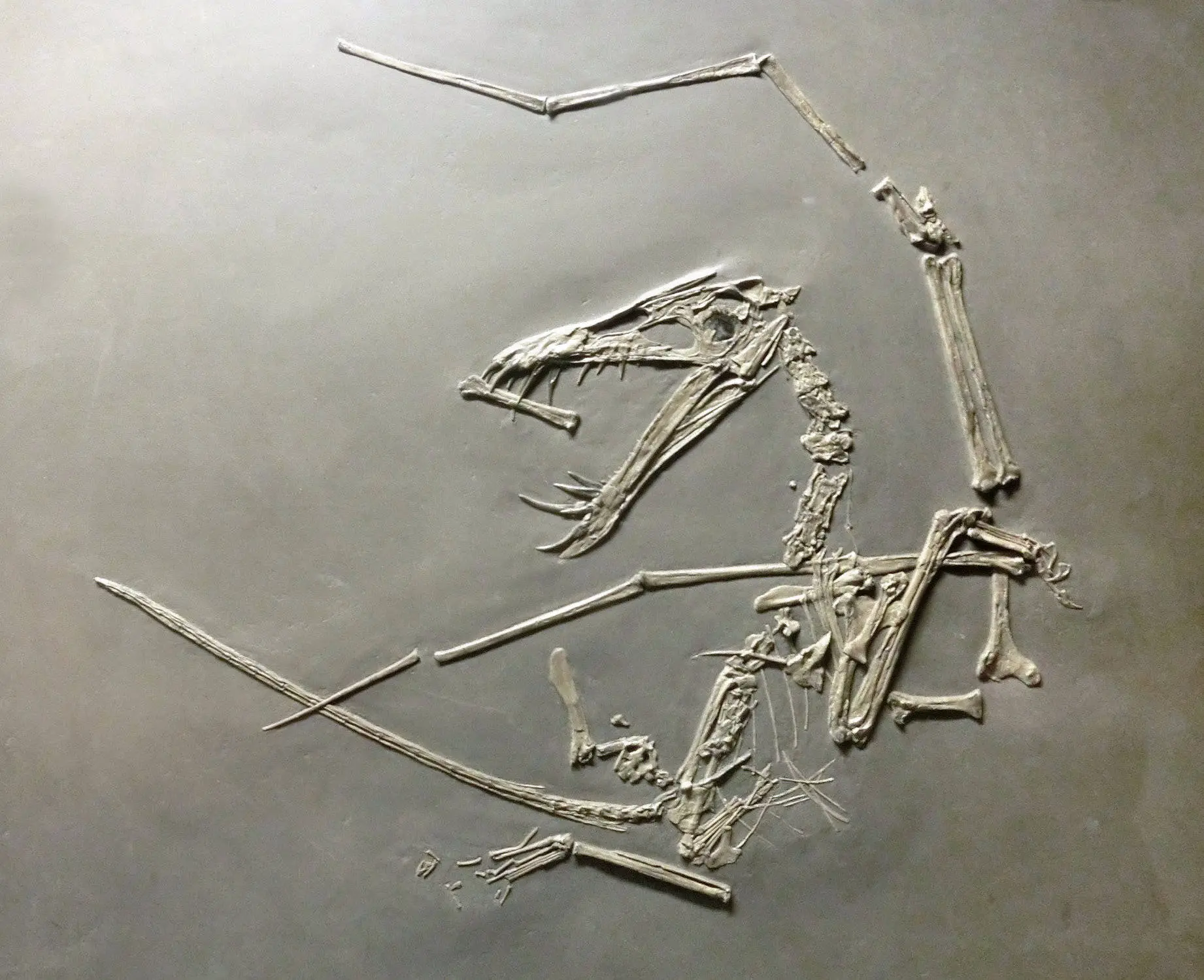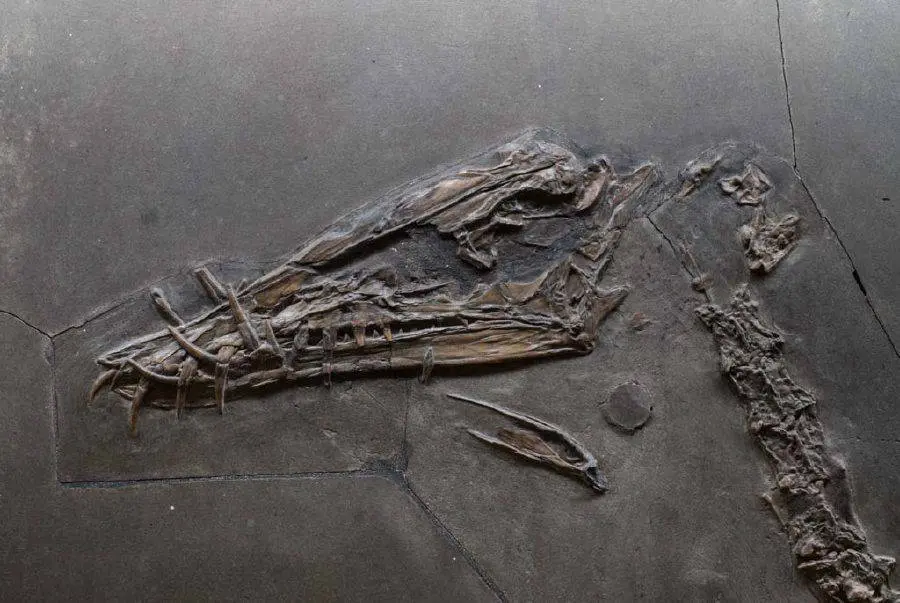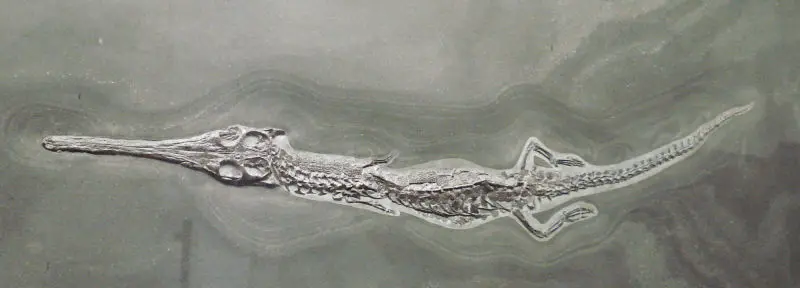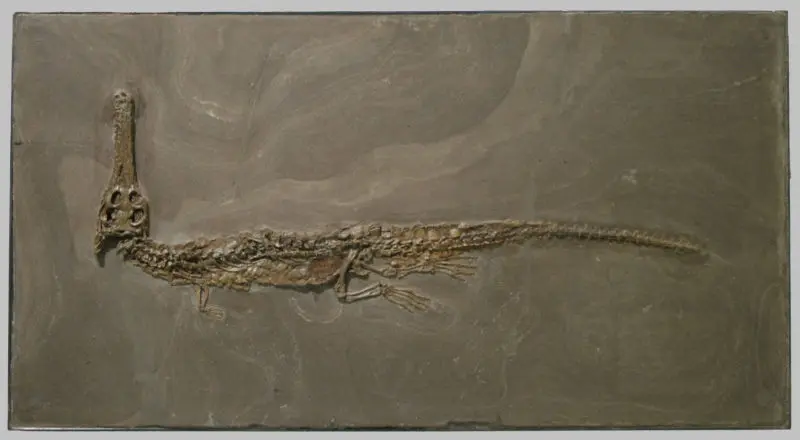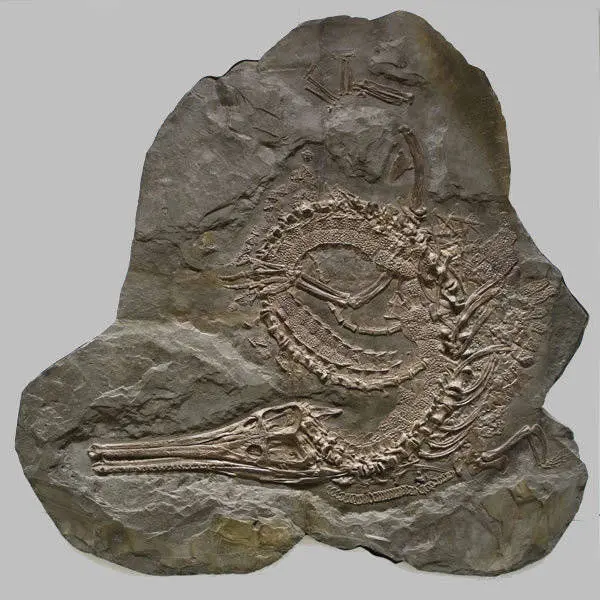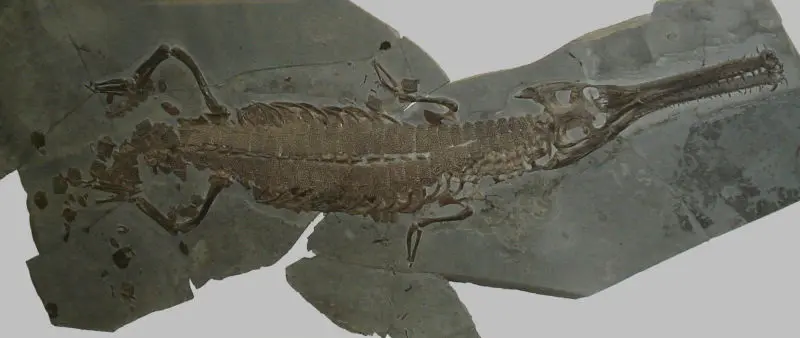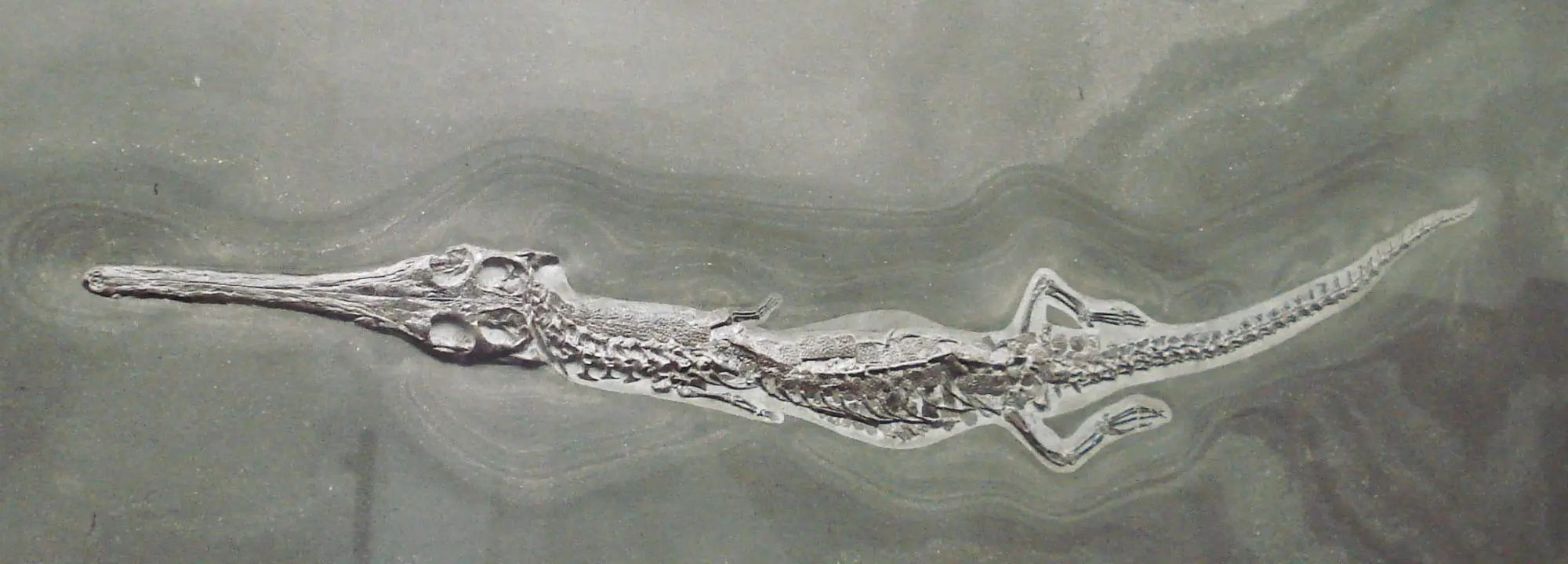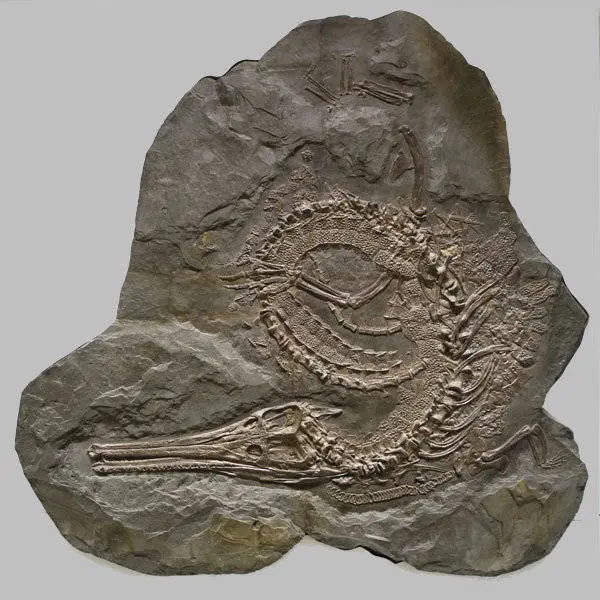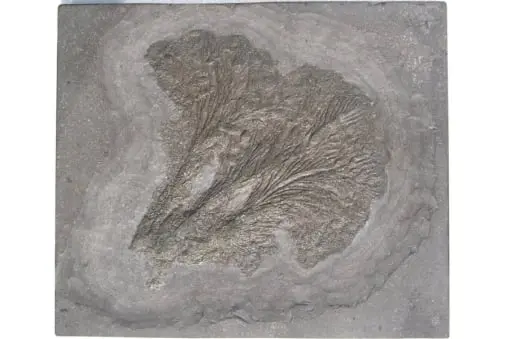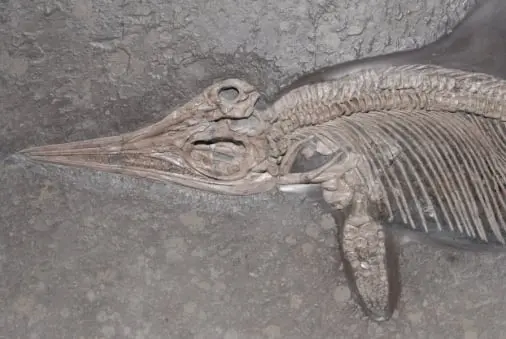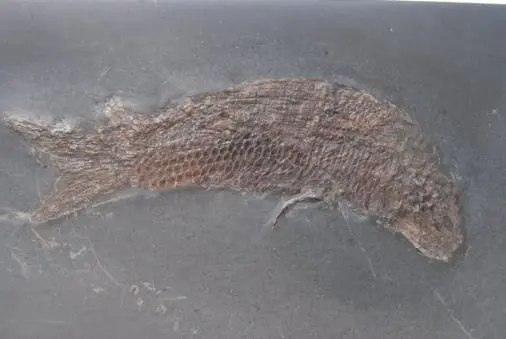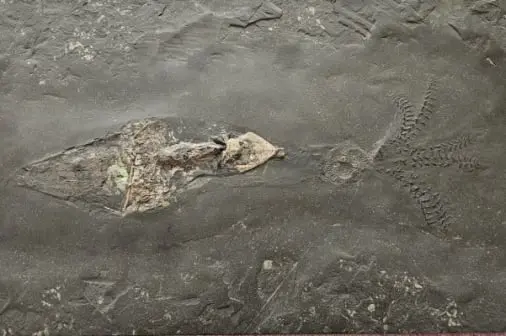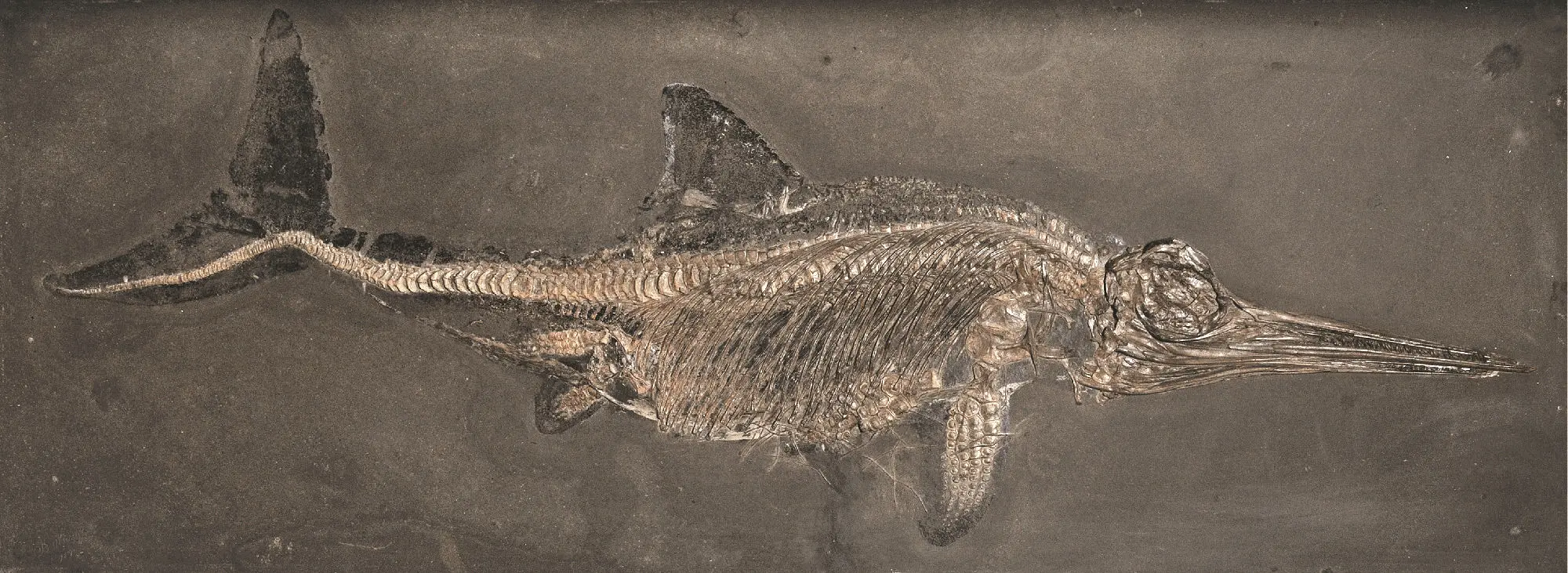
The fact that the term "fossil deposit" was first applied by A. Seilacher in 1970 to the fossil deposits around Holzmaden (and Bundenbach) is due to the worldwide unique accumulation and preservation of vertebrates. The vertebrates found in Holzmaden were the first ever traded fossils. The fossil trade goes back to Duke Carl Eugen of Württemberg. In 1749 he commissioned the delivery of important fossils to Stuttgart for teaching purposes in return for a premium. Among them was an Ichthyosaur fragment with an embryo in its body - the oldest dinosaur find in Central Europe. Embryos often lie embedded in a black substance. When Bernhard Hauff uncovered extremely fine, carbon-black remains while working on an Ichthyosaur in 1892 and explained these as skin preservation, this was initially declared impossible by Prof. Oskar Fraas. In fact, it was the first time that remains of soft tissue were uncovered from fossils. The triumph of fossils from Holzmaden to museums around the world has continued unbroken ever since.
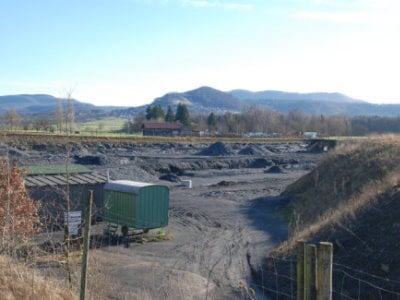
The last hundred years of mining have unearthed fossil treasures that are now exhibited in museums around the world. Even if the "golden" times of manual mining are history and findings are made nowadays rarely, Holzmaden fossils are sought after from collectors. Nowhere else in the world vertebrates are found in this quality and frequency.
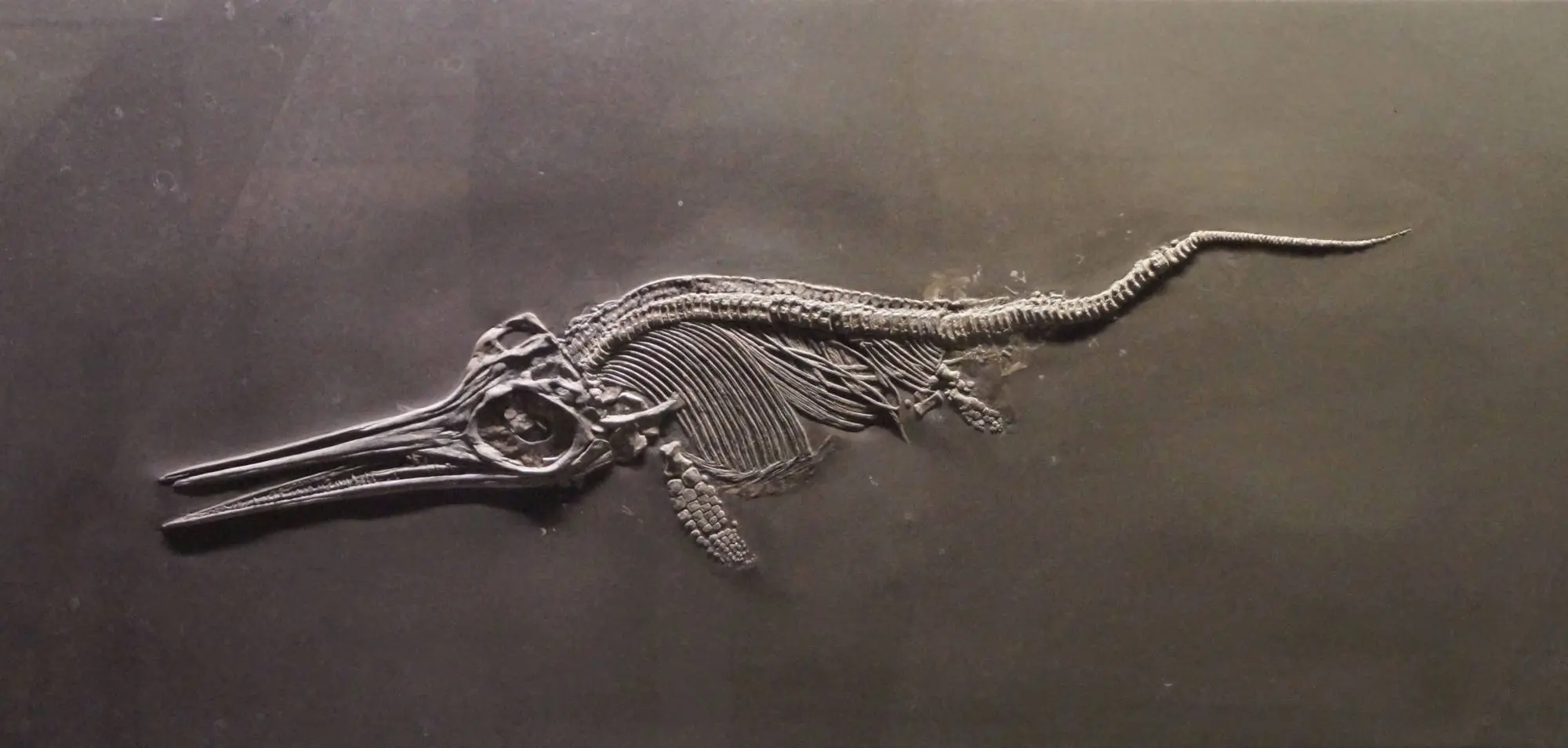
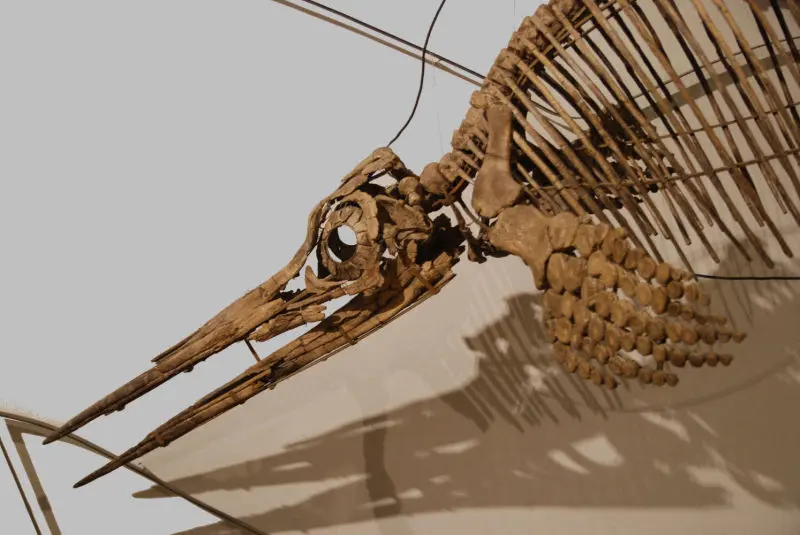 Stenopterygius quadriscissus [1.1]
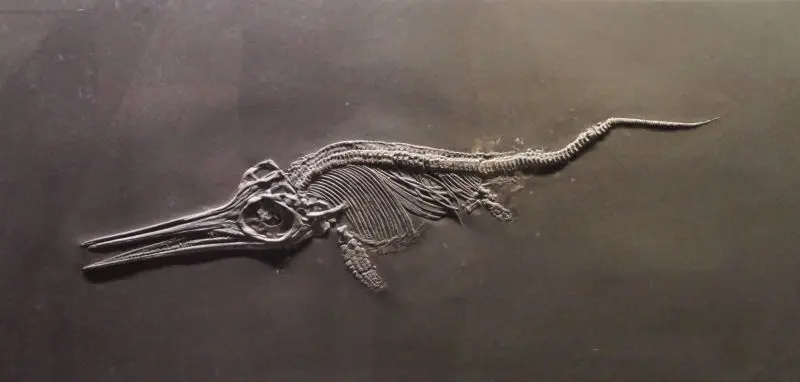 Stenopterygius quadriscissus [1.2]
 Stenopterygius megacephalus [1.3]
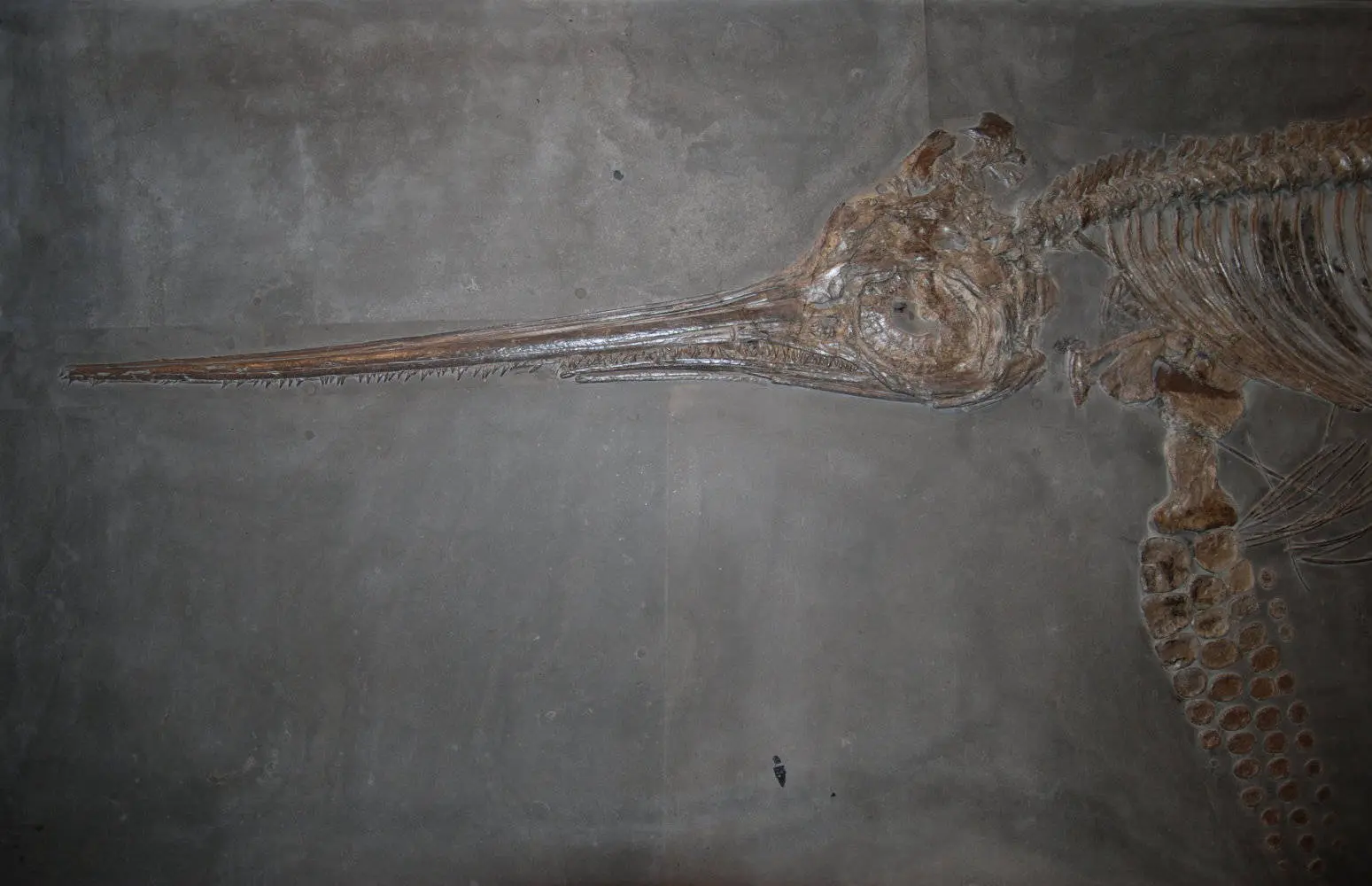
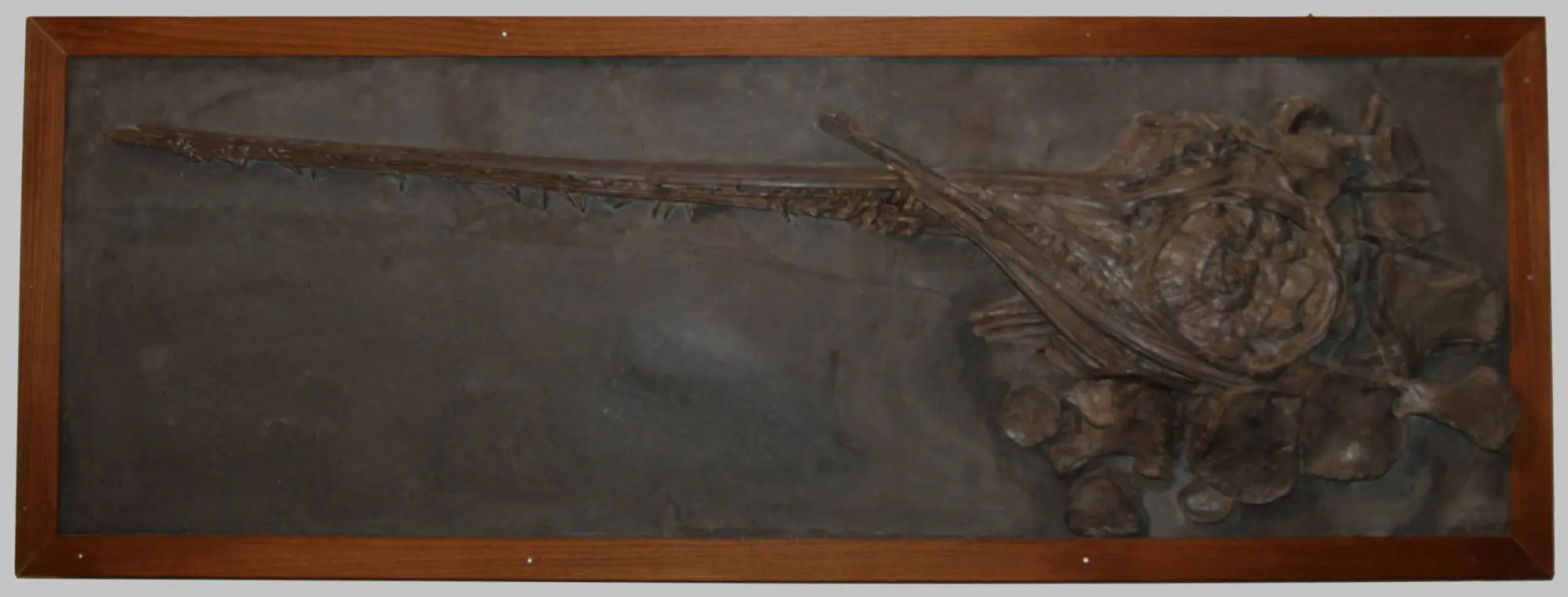
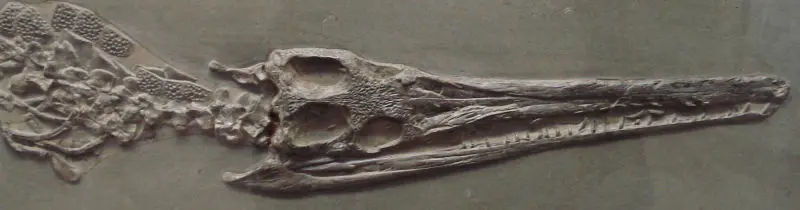
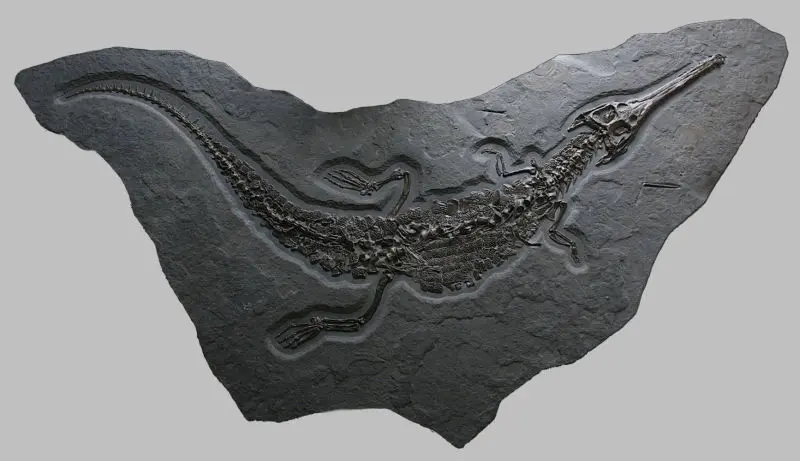
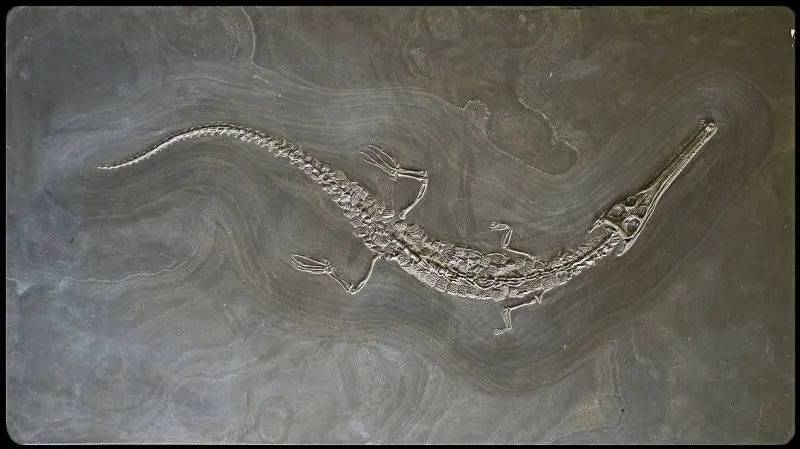
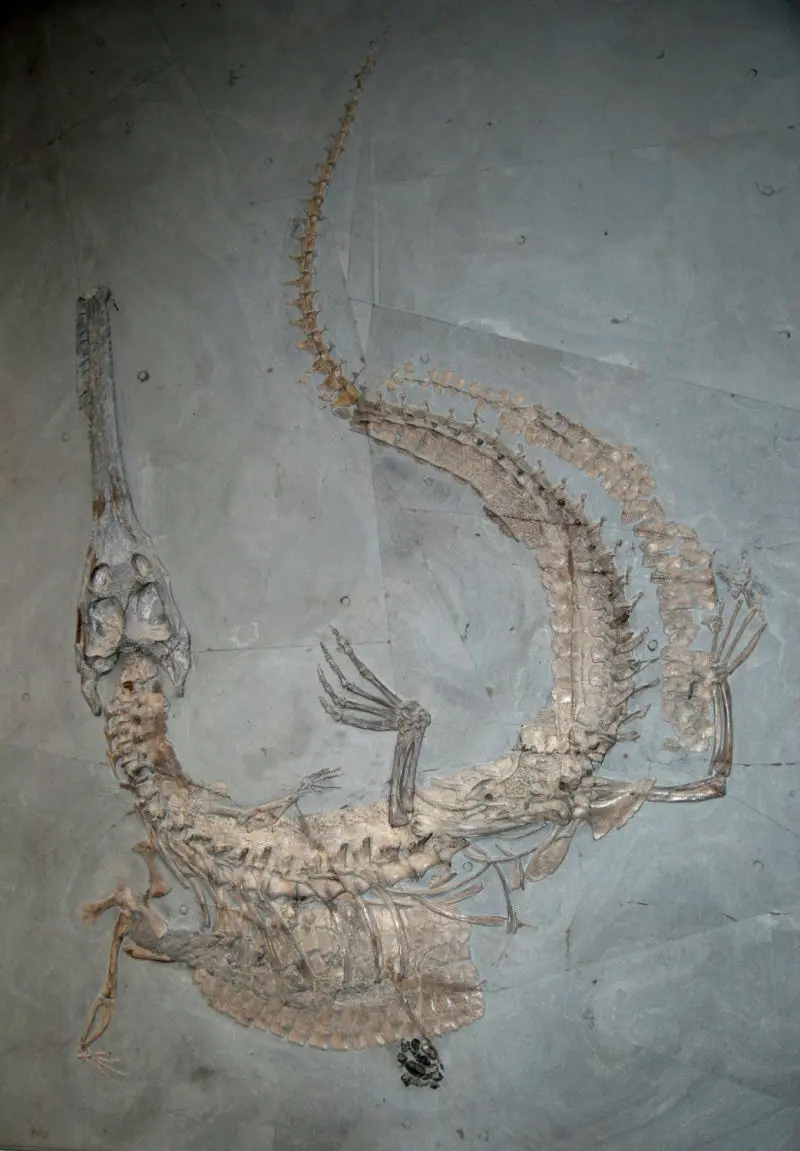
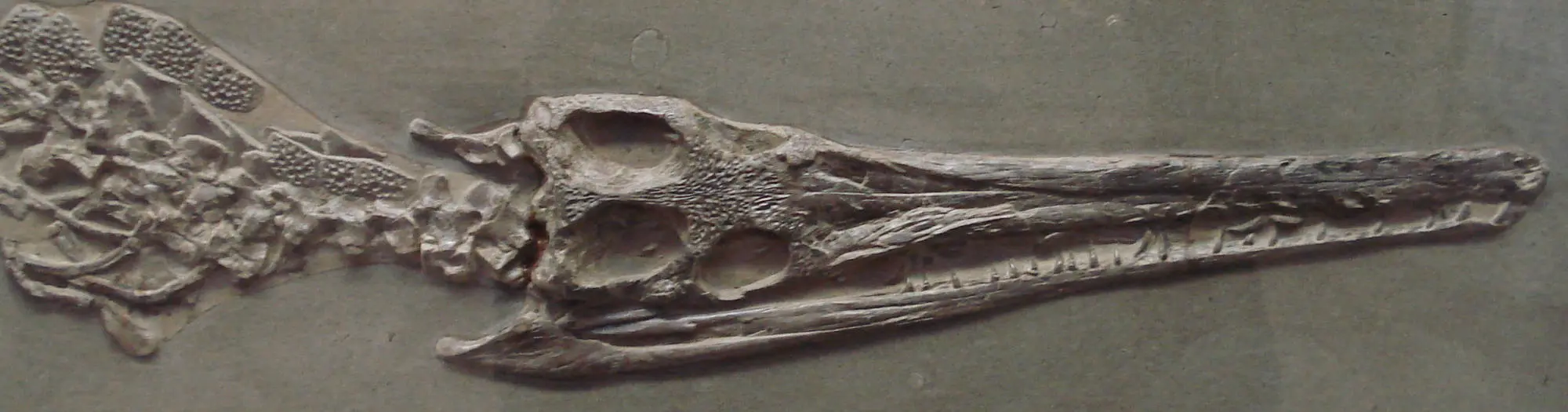
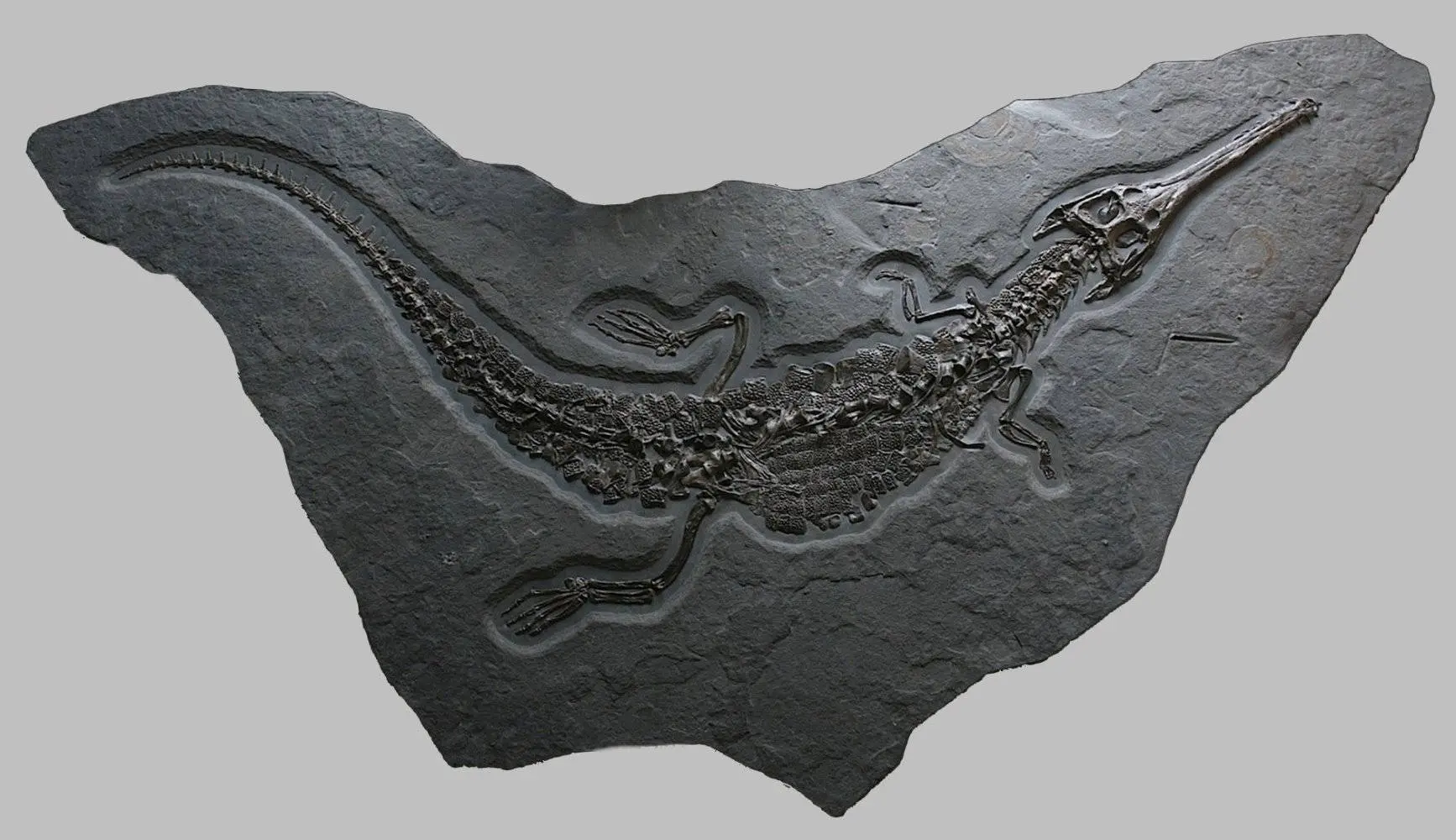
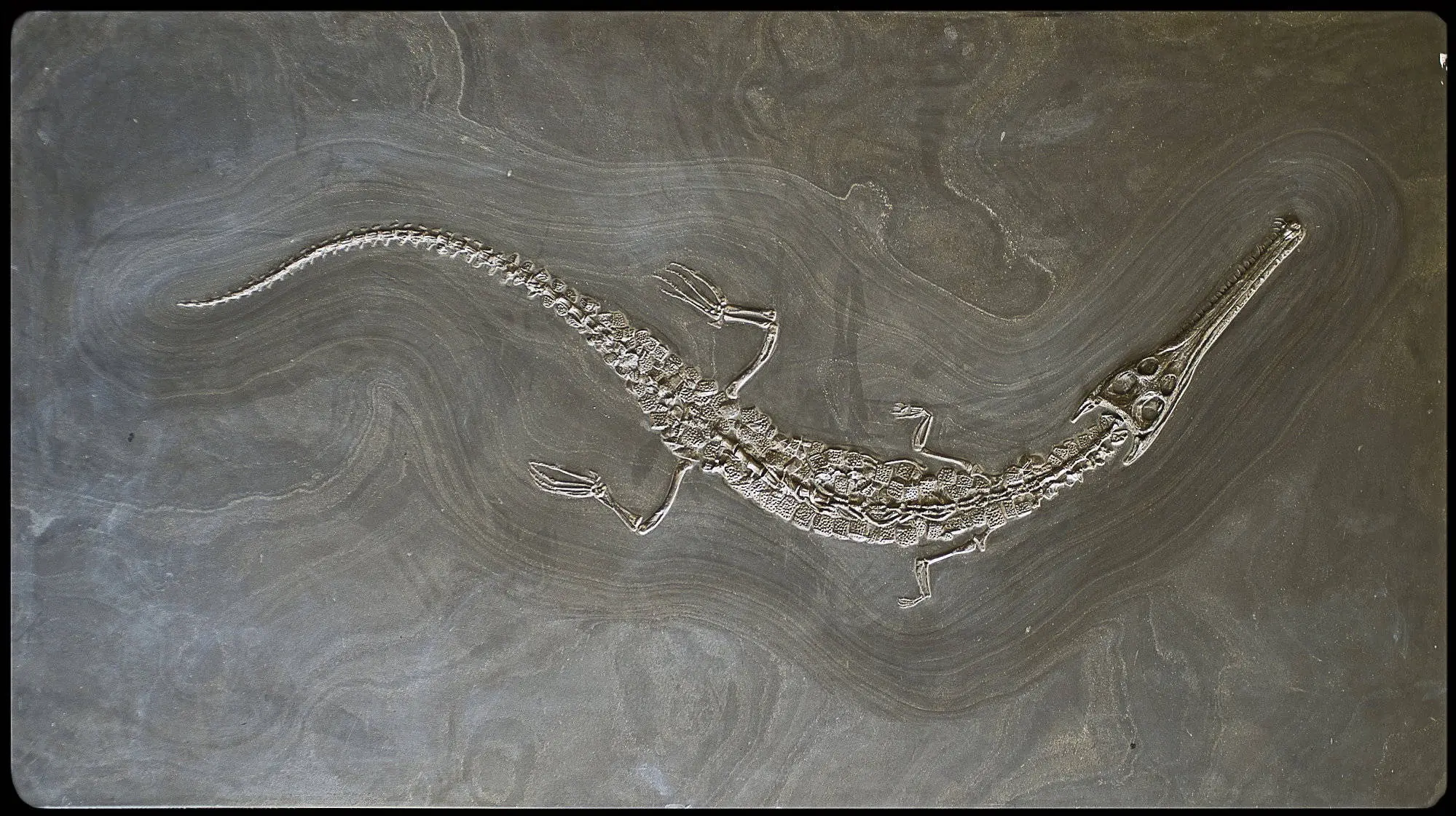
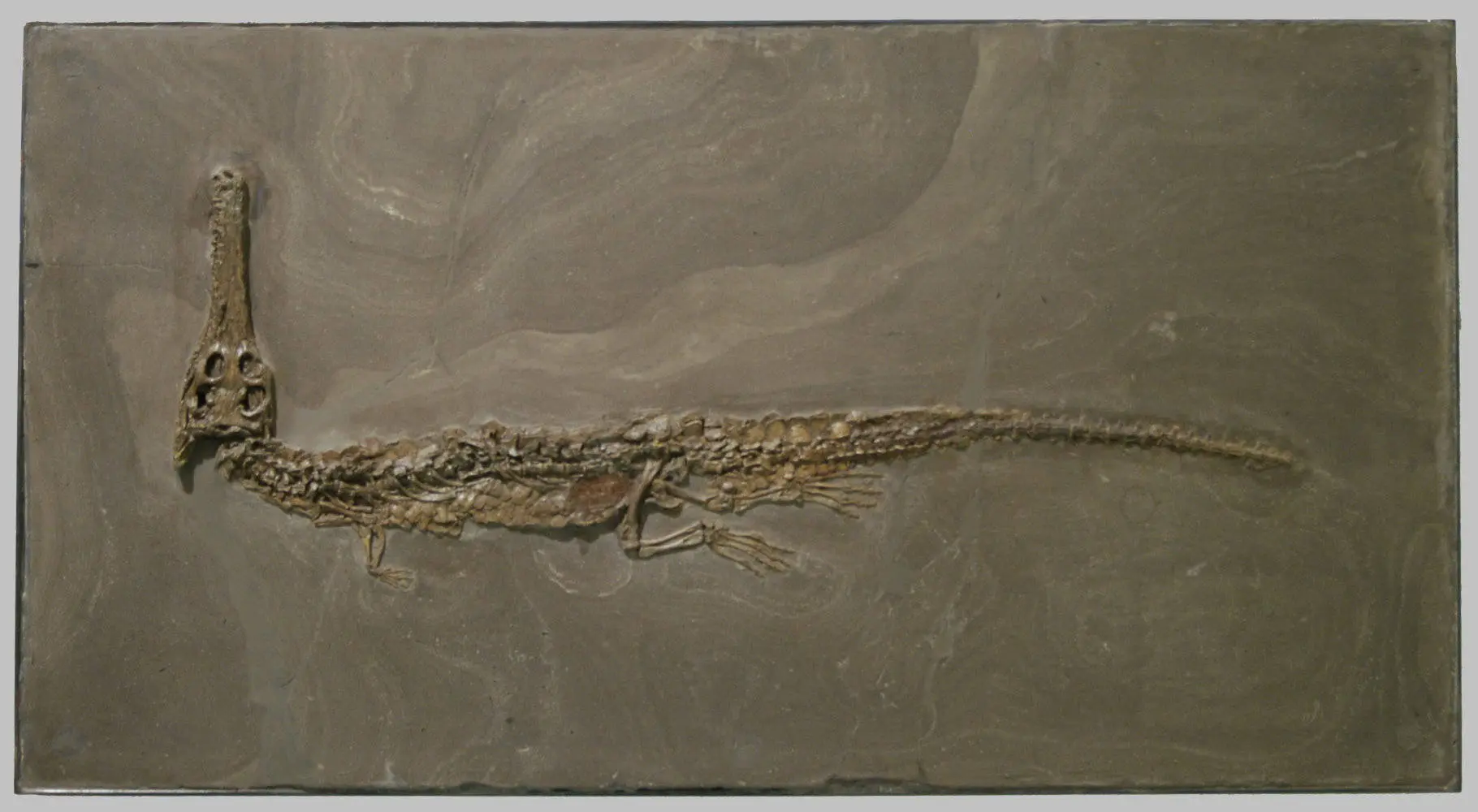
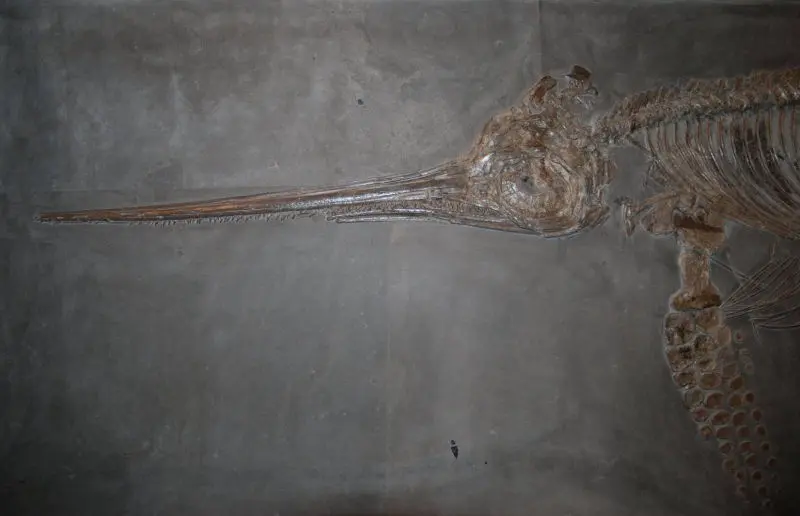 Eurhinosaurus longirostris [1.4]
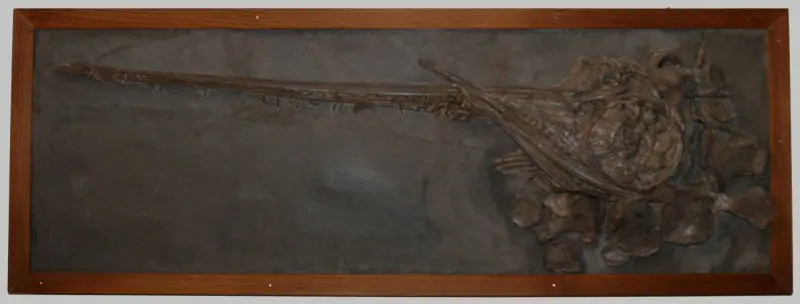 Eurhinosaurus longirostris [1.5]
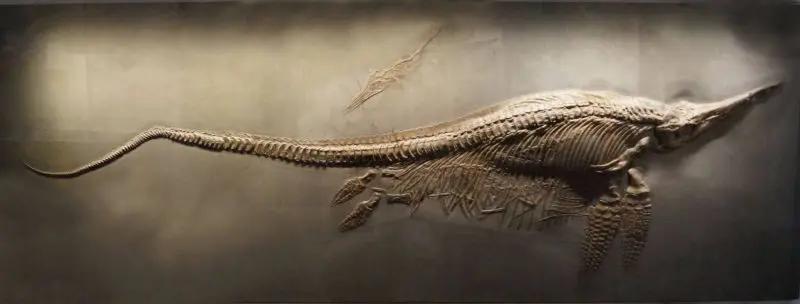 Stenopterygius crassicostatus [1.6]
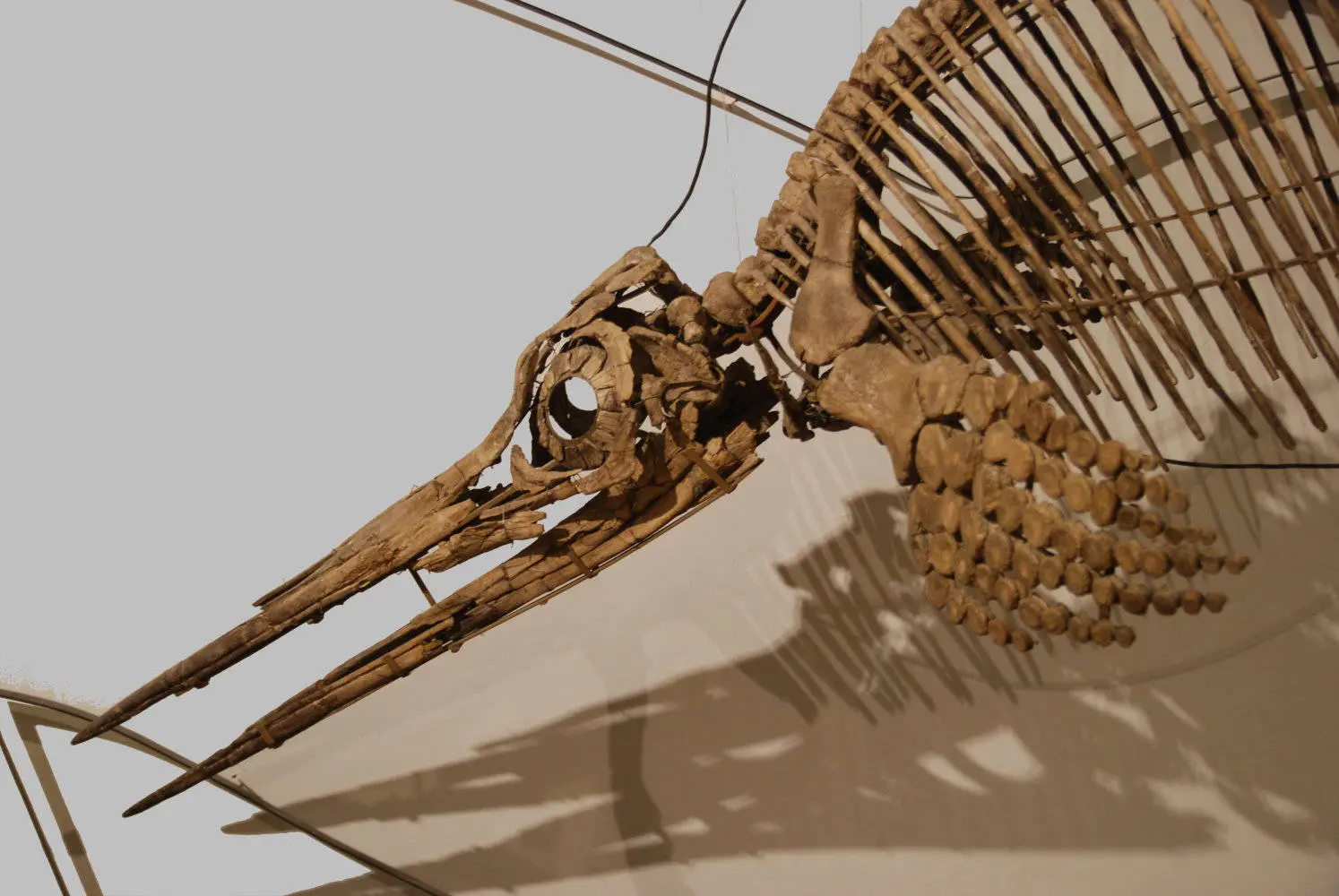
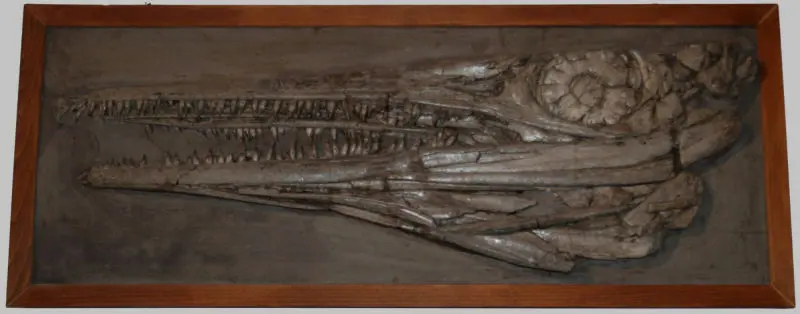 Temnodontosaurus trigonodon [1.7]
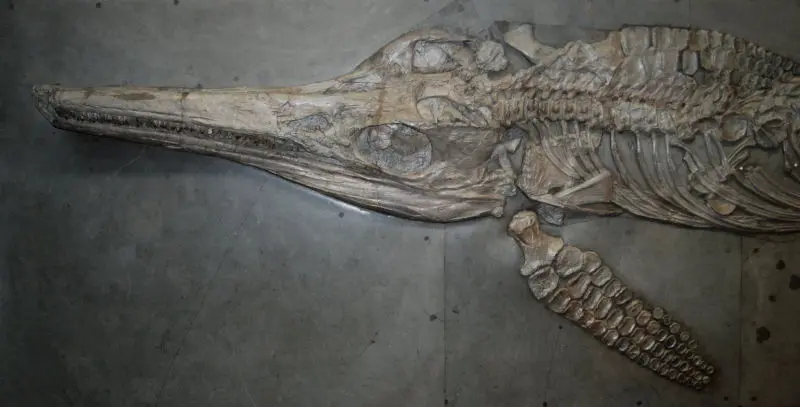 Temnodontosaurus trigonodon [1.8]
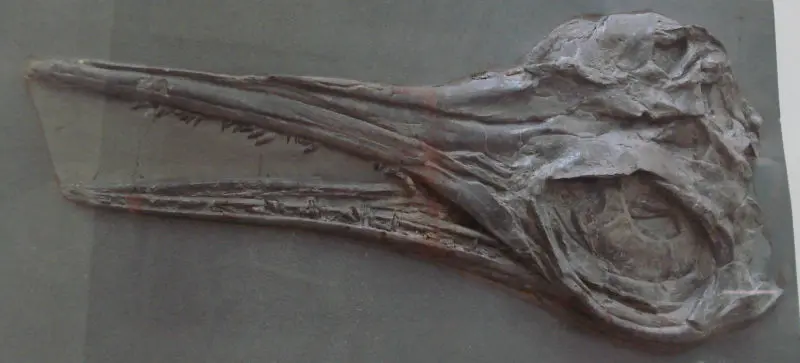 Stenopterygius hauffianus [1.9]
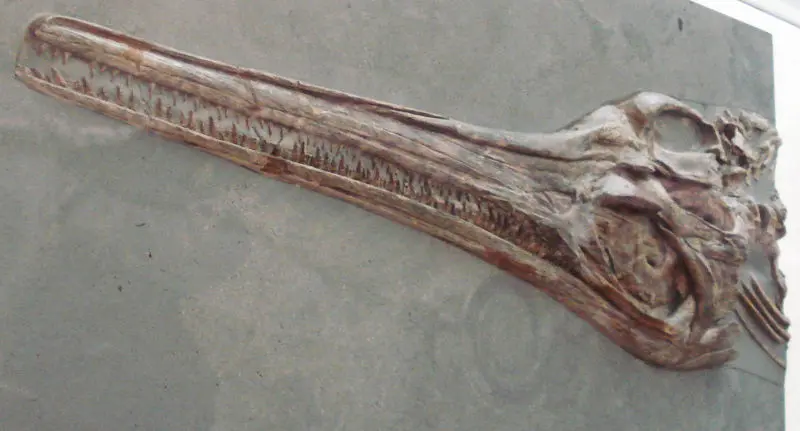 Stenopterygius megacephalus [1.10]
Bildnachweis
[1.2]: NearEMPTiness; [1.3]: NearEMPTiness; [1.6]: NearEMPTiness; [1.9]: Ghedoghedo; [1.10]: Ghedoghedo; [2.1]: NearEMPTiness; [2.2]: Ghedoghedo; [2.3]: NearEMPTiness; [2.4]: Ghedoghedo [2.5]: Ra'ike [3.1]: MfN Berlin; [3.2]: Ghedoghedo; [3.4]: Ghedoghedo; [3.5]: MfN Berlin; [4.1]: Ghedoghedo; [4.2]: Ghedeghedo; [4.4]: Archaeodontosaurus ; [4.8]: NMST; [4.9): Ghedoghedo
Whether you are looking for a scientific specimen or a prestigious fossil for your collection - located in South Germany, close to the source, we offer you a fine selection of Holzmaden fossils at an attractive price.
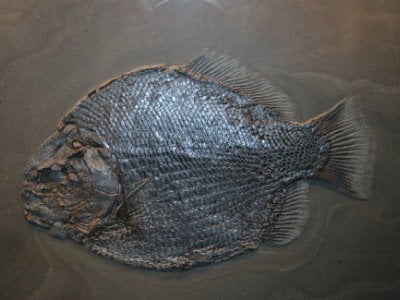
Have a look, how preparation works
Learn more about this world famous fossil site

Services